US-Canada Trade War Escalates: $110B Hit to Auto Sector
A weekend deal collapsed, Ontario is threatening to cut US electricity, and bond markets are already flashing yellow
Ticker Ratings
The US-Canada trade war just got a serious upgrade. After a potential deal collapsed at the last minute on Saturday night, Prime Minister Mark Carney matched Trump's tariffs dollar-for-dollar, doubling counter-tariffs on American steel and aluminum to 50%, with Canada's measures kicking in on September 8. Ontario Premier Doug Ford, speaking on Bloomberg this week, summed up the negotiation breakdown with refreshing bluntness: the US side "kept changing the goalpost constantly." Hard to close a deal when the end zone keeps moving.
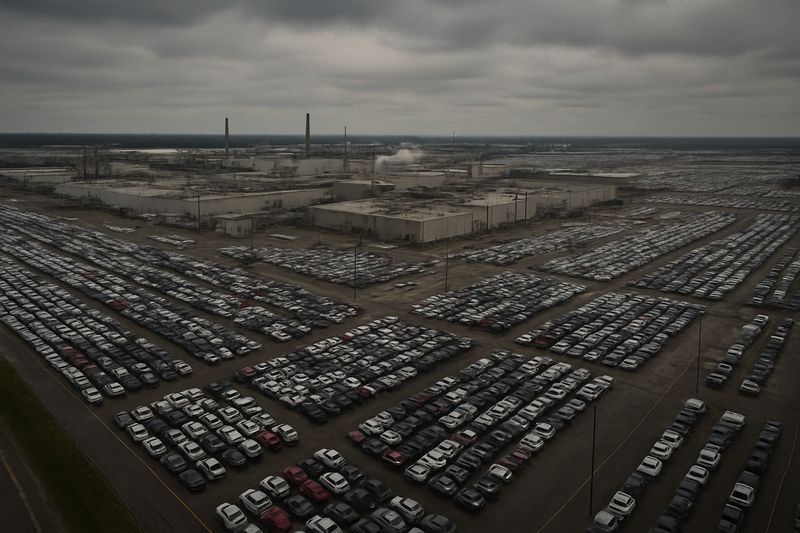
The economic damage is already stacking up. Ford confirmed the auto sector alone has absorbed roughly $110 billion in impacts, and that's before the next potential US escalation penciled in for January 1, 2027. Senator Ted Cruz appeared on Bloomberg to play optimist, arguing Trump uses tariffs as leverage rather than a permanent state of affairs, and expressing hope Canada returns to the table. Cruz is firmly in the "tariffs as negotiating tool" camp inside the administration, which is apparently a real debate happening right now in Washington. Two camps, one very consequential argument.
What makes this week's escalation more than a diplomatic spat is the knock-on effect hitting markets. The Philadelphia Semiconductor Index dropped over 2% mid-week partly on macro jitters. Long-end Treasury yields remain elevated, with the 10-year sitting near 4.7% and the 30-year already printing a 19-year high. Evercore ISI's Julian Emanuel flagged rising yields as the single most important chart in the world right now, warning a surge in post-Labor Day bond issuance from hyperscalers and governments could push things higher still. Rising yields plus a trade war with your largest trading partner is not the vibe.
Meanwhile, Stanley Druckenmiller published a Wall Street Journal op-ed torching Treasury Secretary Bessent's decision to double the long-term bond buyback program from $2 billion to $4 billion, calling it "unwarranted, hypocritical, and hazardous to the bedrock of global financial markets." When the guy who broke the Bank of England says you're defending prices against market fundamentals and you will lose, that deserves at least a read. Apollo's Torsten Slok added that Treasury's interventions, including potential use of the $900 billion-plus Treasury General Account, are "spotty" because a 5-6% GDP budget deficit keeps the structural pressure on rates regardless.
On the equity side, markets are holding up surprisingly well given all this noise, with the S&P 500 near record highs on strong corporate earnings. But the bond market and the equity market are having completely different conversations right now, and historically, the bond market tends to win that argument eventually. Canada's tariffs hit on September 8. The next US escalation is flagged for New Year's Day 2027. Mark the calendar.