Iran Mines Hormuz, VIX Spikes 18.7%: What the Market Is Pricing In
Tankers on fire, drones over Bahrain, and a Nasdaq down 2.49%, this is what a real risk-off week looks like
Ticker Ratings
Forget the Fed. The biggest macro story of the week isn't interest rates or AI chips. It's tankers on fire in the Strait of Hormuz, Iranian drones over Bahrain, and a market that spent most of November in denial suddenly waking up with a very bad Monday morning.
By the close on November 16, the damage was real: the S&P 500 fell 1.92% to 7,416, the Nasdaq dropped 2.49% to 24,509, and the VIX surged 18.7% to 22.91, its highest read in weeks. For context, the VIX was sitting at a comfortable 17.49 just four days earlier. That's not drift. That's a market repricing geopolitical risk in real time.
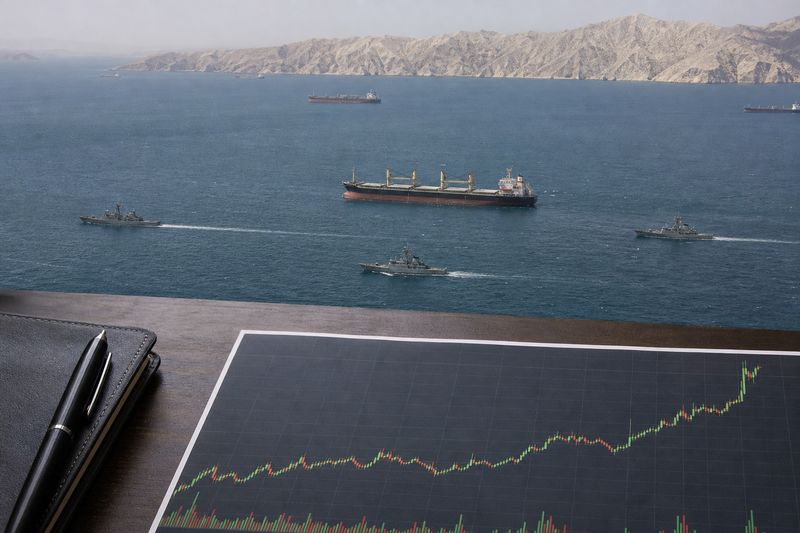
The catalyst pile-up is genuinely alarming. Reuters reported Iranian drone strikes on a US military radar system in Bahrain, three to four tankers struck by explosions or mines in the Strait of Hormuz, and Iran's navy confirming ships hit mines in the region. The Strait of Hormuz handles roughly 20% of global oil supply. You don't need a Bloomberg terminal to understand why that matters. Meanwhile, the 10-year Treasury yield climbed to 5.15%, up nearly a full point from 4.88% just a week ago, adding a second layer of pressure on equity valuations. High rates plus geopolitical chaos is basically the market's version of a double espresso at midnight.
The sector rotation tells the story clearly. As CNBC's Mad Money noted, money is flowing out of AI and data center names and into consumer staples, pharma, and medical devices. That's not a growth trade. That's a bunker trade. Bloomberg Daybreak flagged that the Philadelphia Semiconductor Index dropped more than 5% in a single session, with Taiwan names like Delta Electronics down 6% and others hitting limit-down circuit breakers after new US chip export restrictions compounded the Hormuz shock.
There are two wildcards that could swing this either way. First, Trump is in Asia for APEC, with a potential Xi-Putin-Trump meeting that China is already calling "groundbreaking." A diplomatic breakthrough on Iran could reverse the risk-off trade fast. Second, the energy permitting bill passed its first Senate cloture vote with 75 senators in favor, a rare bipartisan signal worth watching for energy infrastructure names. Felix Nikolas Prehn's YouTube commentary is also worth noting: he argues gold actually weakens during active Middle East conflict because rising oil pushes inflation expectations higher, which lifts rates and makes bonds more attractive. If that thesis holds, the bond market's behavior this week makes a lot more sense.
Saudi Arabia is caught squarely in the crossfire. The Economist is projecting a 3.3% contraction in Saudi GDP for 2026, a brutal swing from the IMF's earlier 4% growth forecast, as Houthi strikes on oil infrastructure and Riyadh's airport force MBS to re-escalate in Yemen. Vision 2030 is looking a lot more like Vision 2035 at this rate.
The market isn't panicking yet, but it's definitely not sleeping anymore, and 5.15% on the 10-year means the safety net you used to rely on costs more than it used to.