Iran Blockade Threatens Hormuz Shipping: Oil Shock Risk Rises
New US strikes on Iran and a maritime blockade are rewriting the rules for global oil flows, and traders are paying attention
Ticker Ratings
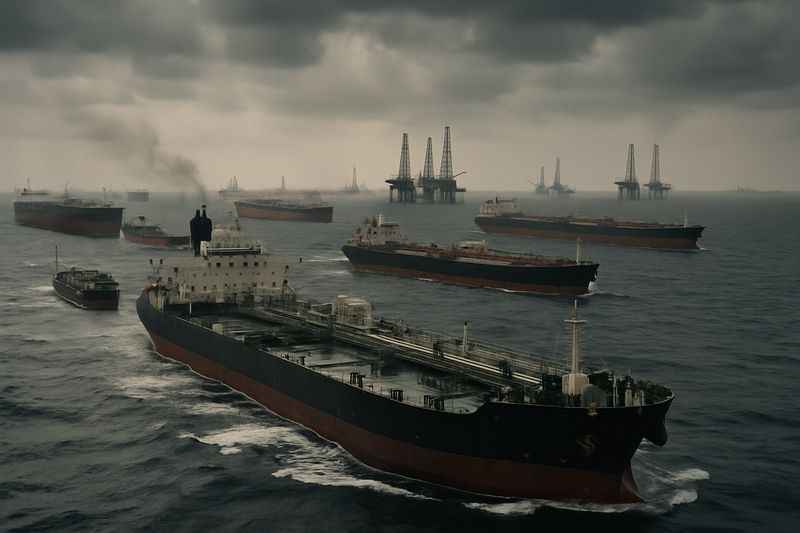
The US military has completed multiple fresh waves of strikes on Iran, including targets at Bandar Abbas, while Iran has hit back by striking a US air base in Jordan and firing missiles at oil tankers in the Strait of Hormuz, killing at least one sailor. Trump then dropped the hammer: a full maritime blockade on Iran and a 20% surcharge on all Strait of Hormuz cargo, effective Tuesday. That is not a drill. Roughly 20% of the world's traded oil passes through that chokepoint daily.
Vessel traffic through Hormuz is already thinning, per Reuters, while Iran is threatening to extend disruptions to additional vital seaways. The Bloomberg podcasts on African aviation and Netflix earnings are fun, but nothing moves crude, defense stocks, and shipping equities quite like a real live naval standoff. $XOM, $CVX, and tanker operators are the obvious beneficiaries here, while airlines are staring down a jet fuel nightmare in real time.
Washington has sent Congress formal notice that the Iran conflict has resumed, which means this is no longer a foreign policy flex. It is a sustained military campaign, and markets have not even fully priced it in yet.