Strait of Hormuz Crisis: IEA Warns Global Economy Hits 'Red Zone'
Five days of US-Iran strikes, a near-dead strait, and zero ships moving. The IEA just said what everyone was thinking.
Ticker Ratings
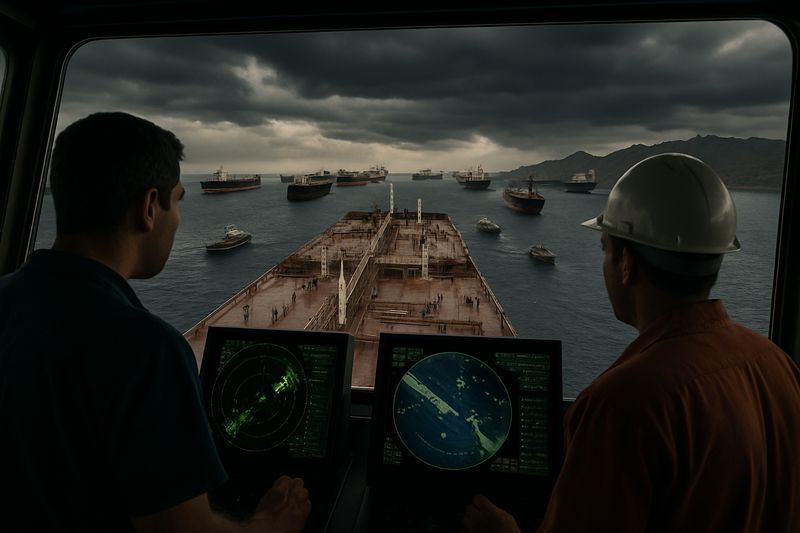
The US has now struck Iran for five consecutive days, hitting missile systems, a sanctioned oil tanker near Bandar Abbas, and various targets while Iran fired back at US bases in Kuwait and Jordan. Commercial shipping through the Strait of Hormuz has dwindled to nearly nothing, and IEA executive director Fatih Birol dropped the understatement of the year: the global economy faces a "red zone" of serious difficulty if this isn't resolved within weeks. Not months. Weeks.
The mitigating factors are real but limited. The US, Brazil, and Kazakhstan are pumping more oil. Saudi Arabia and the UAE are rerouting crude via East-West pipelines. Strategic reserves are being tapped. But as Bloomberg's coverage makes clear, none of these fixes are unlimited, and roughly 20% of global oil supply normally flows through this strait. Major economies including India are already telling vessels to just avoid the region entirely.
The most unhinged detail of the week: Trump announced a 20% charge on Strait of Hormuz cargo and a formal maritime blockade. Iran responded by escalating attacks on Gulf bases. At some point you have to wonder if anyone is playing 3D chess or if everyone is just winging it with aircraft carriers.