Consumer Debt Hits $1.29T as 10-Year Yield Crosses 5.1%
Social sentiment is screaming about geopolitics, but the real slow-motion disaster is on American balance sheets
Ticker Ratings
Everyone is watching the Strait of Hormuz like it is a Michael Bay movie. Tankers on fire, Iranian mines, Houthi missiles pointing at Riyadh. Wild stuff. But while the geopolitical chaos hogs the headlines, a slower and arguably scarier story is building right here at home: the American consumer is running out of runway, and rising interest rates just shortened the track.
Let's talk numbers. Credit card debt in the US just hit a record $1.29 trillion, a staggering 67% surge since 2021. HELOC balances are up 14% year-over-year to $481 billion. Delinquencies are rising. This is not a vibe, it is a data trend, and it is getting harder to dismiss. YouTube channel Jeremiah Babe flagged these figures in a recent video, and while the doom-and-gloom framing is very much his brand, the underlying data is sourced and real.
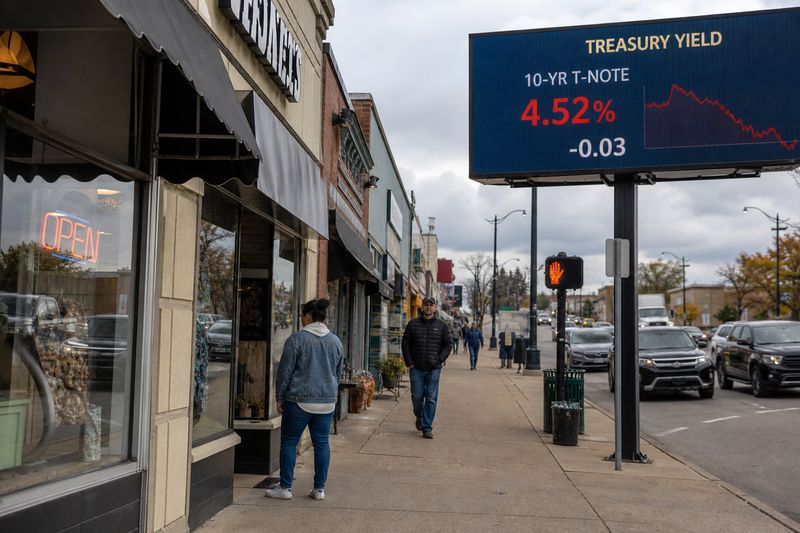
Now layer on what the Fed is doing. The 10-year Treasury yield jumped to 5.1% this week, its highest level in this cycle, and Fed officials are reportedly leaving the door open to a half-point rate hike as inflation stubbornly refuses to cooperate. Higher rates mean higher minimum payments on all that variable-rate debt. That HELOC balance your neighbor refinanced into? It just got more expensive. Every month.
Markets are starting to feel it. The Nasdaq dropped 0.91% on Thursday as growth stocks get squeezed by the yield pressure. The S&P 500 is down 0.4% on the day, and while the Dow managed a slim +0.1% gain (classic value-rotation energy), the broader trend is not comforting. The VIX spiked above 25 earlier this week before settling around 18.7, still elevated, still twitchy.
The Felix Nikolas Prehn YouTube channel made an interesting point this week: the VIX retreating from its spike high suggests this is not full-blown panic yet. Hedge funds apparently calmed down by Friday. That is reassuring, until you remember that consumer stress does not resolve itself in a single trading session. It compounds quietly, then it does not.
The Hormuz crisis and the NVDA scandal are the kind of events that move markets fast and loud. But $1.29 trillion in credit card debt at 5.1% yields is the kind of thing that moves markets slow and inevitable. One of these stories has an ending, the other is just getting started.