The Strait of Hormuz Is Closed and Oil Is Heading to $170 — Here's Who Wins and Who Gets Vaporized
US-Iran war escalates, Hormuz stays shut, and the social sentiment machine is screaming risk-off
Ticker Ratings
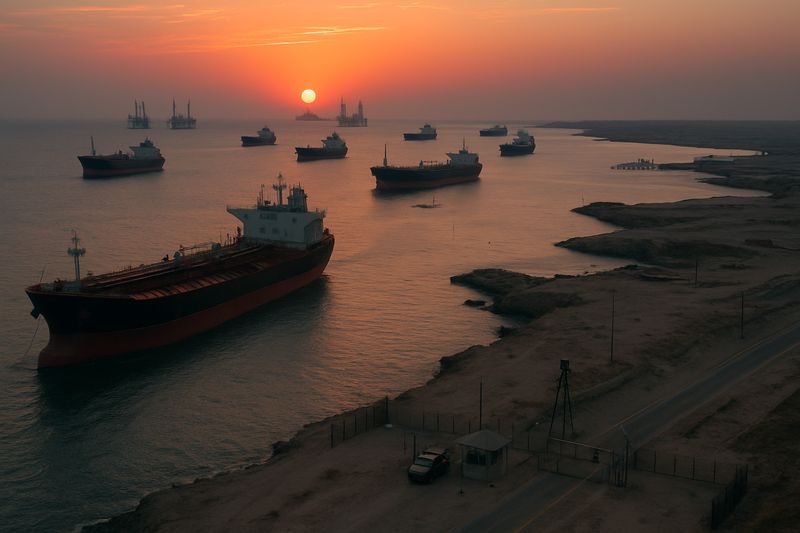
Let's be blunt: the Strait of Hormuz is closed, Brent crude sits at $116.88, and Goldman Sachs says Persian Gulf oil supply is running at roughly 57% below pre-war levels. Treasury Secretary Bessent casually mentioned the US has 'plenty of funds' for the Iran war, which is either reassuring or terrifying depending on your portfolio. The dollar is surging on safe-haven demand, Asia markets are sliding, and the Saudi Aramco CEO just bailed on a major energy conference. Cool, cool, cool.
Meanwhile Bloomberg's podcast desk is doing the Lord's work: Europe has approximately 45 usable days of jet fuel remaining if Hormuz stays shut, with analysts flagging oil could hit $150–$170/barrel. $NOW already took a 16% gut-punch — its worst day ever — after citing Middle East conflict for deal delays. Even earnings season's bright spots like $SAP (cloud backlog up 25%) and $INTC (17% after-hours surge on AI server demand) can't fully escape the gravitational pull of a regional war reshaping global energy flows.
Former Iran nuclear negotiator Wendy Sherman's take on Bloomberg sums it up perfectly: Iran will never fully capitulate, but it might deal — which means this drags on long enough to make $170 oil look like the optimistic scenario.
BullApe's AI grades every pick against the S&P 500 - wins and misses published. See the track record →