Tether ($USDT) Named in Iran Sanctions Report: What It Means for Crypto
A Senate report links Tether to Iranian sanctions evasion, and the crypto market is deciding whether to care
Ticker Ratings
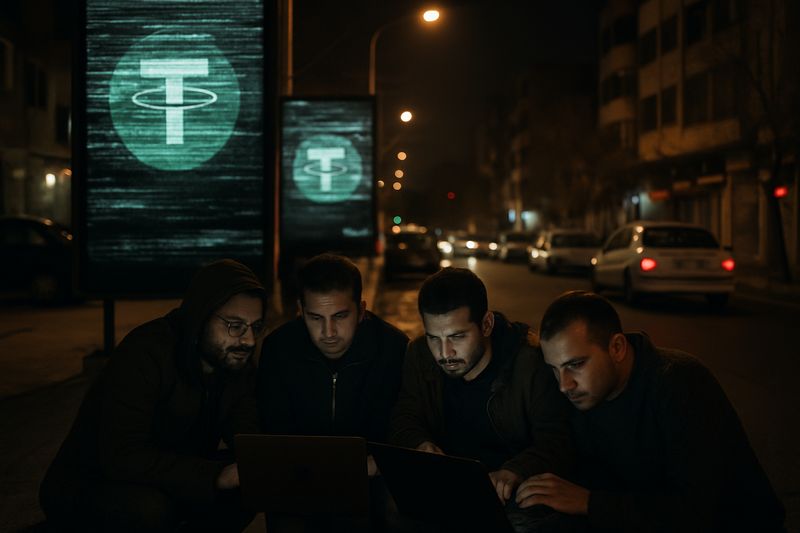
Just when Bitcoin was having a moment as a geopolitical safe-haven play, the Senate decided to rain on the parade. A new Senate report alleges that Tether (USDT), the world's largest stablecoin by market cap, has been used to help fund Iranian operations in defiance of US sanctions. The report landed this week via Reuters with an impact score of 4.0 out of 5, which in news-impact terms means "people are definitely screenshotting this."
The timing is brutal. The US-Iran conflict is still very much live, with Trump telling reporters the US will win "very soon" (a claim Reuters tagged at 4.7/5 impact, the week's highest), UK diesel prices hitting record highs due to supply disruptions, and geopolitical risk bleeding into every asset class. Crypto was supposed to be the hedge. Instead, USDT is now a supporting character in a Senate hearing script.
Here is the bear case, stated plainly: if regulators use this report to tighten the screws on stablecoin issuers, the ripple effects hit the entire crypto ecosystem. Tether underpins liquidity across dozens of exchanges. A crackdown on USDT issuance or US dollar access for Tether Limited does not just hurt the stablecoin, it starves BTC and ETH pairs of their most common trading counterpart. The 10-year Treasury sitting at 5.26% already gives institutions a risk-free reason to ignore crypto. Add regulatory heat to that calculus and the on-ramp gets narrower.
The bull case is that this is not new. Tether has been accused of sanctions-adjacent activity before and has survived every cycle. Crypto Twitter sentiment, as tracked by BullApe, skews toward dismissal, with the loudest voices calling the report a legacy-finance hit job timed to stall stablecoin legislation. There is probably some truth to that cynicism, but "this has happened before" is not a compliance strategy.
What actually matters in the next 30 days: watch whether the Senate report triggers a formal Treasury or FinCEN investigation. If it does, expect USDT market cap to wobble and volume to rotate toward USDC, which has spent years positioning itself as the regulatory-friendly stablecoin. Circle, the company behind USDC, does not have a public ticker yet, but when it eventually does, this week will look like a prequel.
Turns out the most interesting stablecoin drama is not about a peg. It is about who controls the on-ramp to the entire market, and right now that person is apparently also on a Senate subcommittee's mood board.
BullApe's AI grades every pick against the S&P 500 - wins and misses published. See the track record →