Strait of Hormuz Closed: What It Means for Oil Prices
The world's most important oil chokepoint is shut, and social sentiment is somewhere between 'buy gold' and 'buy a bunker'
Ticker Ratings
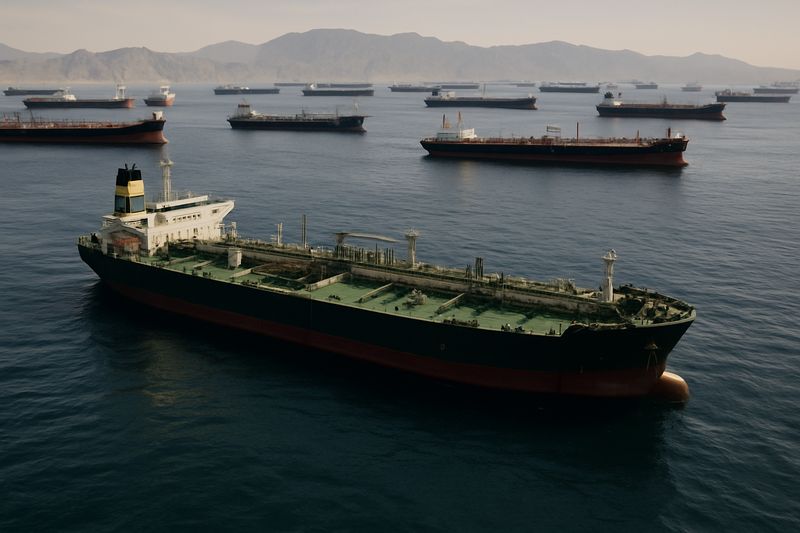
The Strait of Hormuz is closed. Not 'experiencing delays.' Not 'facing elevated risk.' Closed. Iran's IRGC announced it this morning, and Reuters has confirmed it three different ways. About 20% of the world's oil supply passes through that narrow waterway every single day, and right now it is sitting there like a locked door with a missile launcher in front of it.
The US has launched fresh strikes on Iran, Iran hit US military targets in the Gulf, Trump declared the interim ceasefire 'over,' and a Cyprus-flagged container ship got caught in the crossfire. Meanwhile, the Fed is flagging 'stepped-up' inflation risks tied directly to the Iran war, the Bank of Japan is nervously watching energy costs climb, and the ECB says it is essentially starting from scratch on monetary policy. The Jeremiah Babe crowd on YouTube has been screaming about the $39 trillion national debt and the $1.44 trillion borrowed in just nine months of fiscal 2026, and honestly, it is getting harder to disagree with them.
Crude is the obvious trade here, but with tanker traffic at a near standstill and technical talks in Oman going nowhere fast, the real question is not whether energy prices spike, it is how long the spike lasts. History says these things resolve. History also said the Strait would never actually close.