P&G $PG Drops 3% on Tariff Pain: Best Productivity in a Decade Isn't Enough
Procter and Gamble's CFO is bragging about $2.8 billion in savings while the stock slides. The market has questions.
Ticker Ratings
| Ticker | Rating | Entry Price | Current | $ Gain | % Gain |
|---|---|---|---|---|---|
| PG PROCTER & GAMBLE Co | hold | $145.02 | - | - | - |
$PG did everything right and the market punished it anyway. Procter and Gamble reported Q4 earnings of $1.43 per share, beating estimates by two cents, while delivering $2.8 billion in productivity savings, the best figure the company has posted in roughly ten years. CFO Andre Schulten was practically glowing on the earnings call. The stock dropped 3%. Welcome to 2026.
The problem is the stuff you can't fix with operational efficiency. Revenue came in at $21.2 billion, missing the $21.38 billion estimate. Organic sales growth was a limp 0.5% against a street expectation of 1.6%. The CFO tried to soften that one, noting actual consumer sell-out was a healthier 2.5%, with the gap explained by shipment timing and trade spend recognition. Fair enough, but Wall Street reads the headline number first and asks questions later.
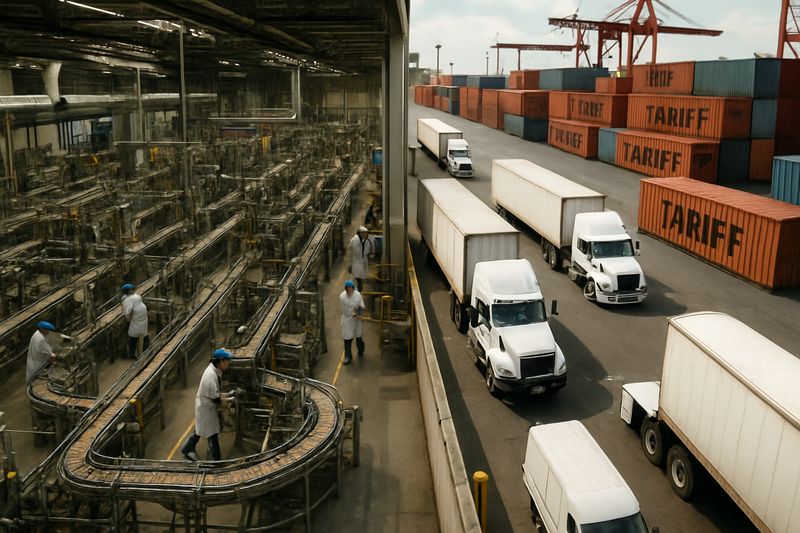
Then there's the forward guidance, which is where things got genuinely uncomfortable. P&G issued full-year sales and profit guidance well below analyst estimates, citing tariff pressures, higher input costs, and a budget-conscious consumer who is clearly not reaching for the premium option on the shelf. That last part is the one that should make investors nervous. P&G's entire pricing power story depends on consumers staying loyal to Tide, Gillette, and Pampers even when cheaper alternatives exist. If that loyalty is starting to crack under inflation fatigue, the whole model gets a lot harder to defend.
For context, P&G returned $15 billion to shareholders in the full fiscal year and delivered results within its original guidance range, which is genuinely impressive given the macro environment. The company is not falling apart. But the guidance reset tells you management sees real turbulence ahead, and they are not pretending otherwise.
On the same day, CNBC covered the broader market open with the Dow down nearly 400 points and geopolitical chaos swirling around Iran and oil prices. Consumer staples are supposed to be the safe harbor in that kind of storm. P&G getting hit this hard while the world catches fire is a signal worth paying attention to, especially with the Fed potentially hiking rates into a slowing consumer backdrop.
The bear case is simple: tariffs plus a stretched consumer plus rising rates equals multiple compression for a stock that was never cheap to begin with. The bull case is that $2.8 billion in productivity savings buys you a lot of runway, and P&G has navigated uglier cycles than this one. But right now the market is voting with its feet, and its feet are heading for the exit.
BullApe's AI grades every pick against the S&P 500 - wins and misses published. See the track record →
Mentioned: $PG