Buffett Exits Berkshire After 60 Years: What Happens to $320B in Cash?
YouTube's top finance voices dissect the Buffett succession and what it means for the greatest capital allocator in history
Ticker Ratings
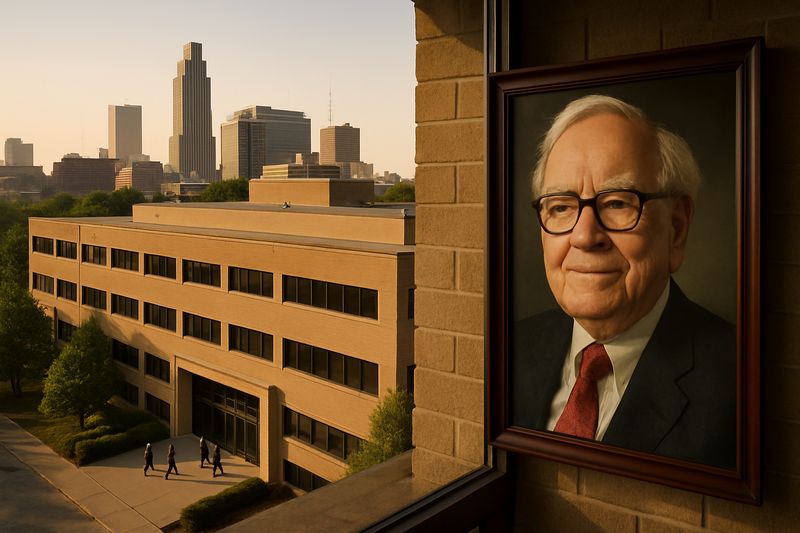
Warren Buffett, age 96, is officially stepping down as chairman of $BRK.B, handing the reins to Greg Abel as CEO and son Howard Buffett as chairman. Multiple Bloomberg Podcast episodes and CNBC segments covered the story this week, and for once, the YouTube finance crowd is basically unanimous: this is the end of an era, and markets will eventually price that in.
The numbers are staggering. A $10,000 investment in Berkshire in 1965 grew to approximately $550 million by end of 2024, per Barron's. That kind of compounding doesn't just transfer to the next guy in a cardboard box labeled 'same vibes.' John Rogers of Ariel Investments, a long-time Berkshire shareholder, told CNBC he expects the 'Buffett premium' in the stock's valuation to dissipate over time, though he believes Buffett assembled the right team to carry forward his values. Rogers is optimistic, but he's also realistic: genius doesn't clone.
The elephant in the room is $320 billion in investable cash (some sources cite over $300 billion, take your pick). Bloomberg Intelligence analysts note that Greg Abel is expected to deploy capital more aggressively than Buffett has recently, though a dividend remains unlikely in the near term. Meanwhile, CNBC hosts flagged that Berkshire's current cash hoarding could itself be read as a commentary on valuations: when the greatest buyer in history isn't buying, that's a message. Abel has already made moves, including acquiring homebuilder Taylor Morrison, closing the OxyChem deal, and a $10 billion Alphabet private placement at a 6.5% discount. Not exactly timid.
Property and casualty insurance stocks, a core Berkshire business, are viewed more positively than expected by analysts, citing better-than-anticipated underwriting results, a mild hurricane season, and the higher-for-longer rate environment padding investment income. That's a quiet tailwind most people are ignoring while they debate whether Howard Buffett is qualified to guard the culture.
Buffett himself wrote a personal letter to shareholders expressing full confidence in Berkshire's future. He also noted that Abel has exceeded sky-high expectations and has been making key decisions for some time. So this transition is less of a surprise and more of a formal coronation. The Oracle of Omaha isn't gone, he's just moved to the ceremonial balcony.
If history is any guide, cult-of-personality discounts in stocks are real, they're painful, and they take years to fully resolve. Berkshire isn't going bankrupt. It's just going mortal.