Oil Majors and Energy ETFs Surge as Hormuz Crisis Hits 4 Tankers
With 6 million barrels per day of refining capacity offline and the 10-year yield cracking 5.1%, energy is suddenly the only trade that makes sense
Ticker Ratings
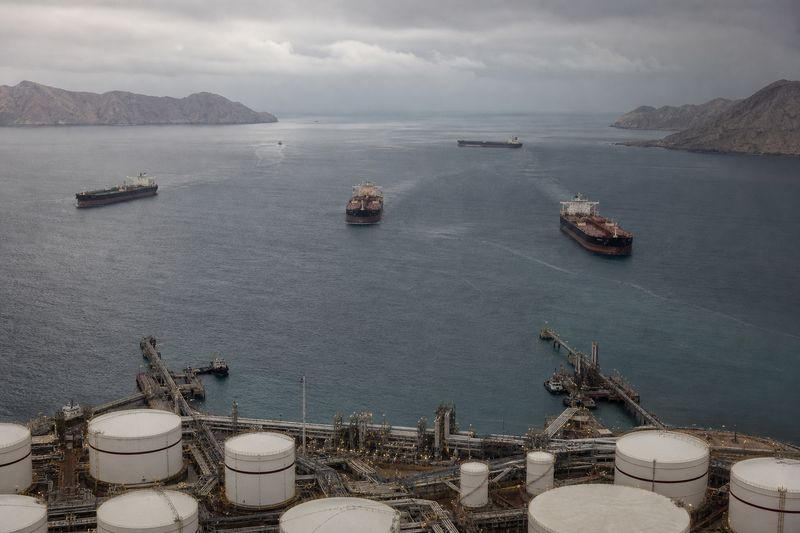
While everyone on finance YouTube spent the week eulogizing Jensen Huang's leather jacket, the actual market story was unfolding in a narrow waterway between Iran and Oman. Four tankers were struck by explosions in the Strait of Hormuz, Iran confirmed strikes on a US early-warning radar in Bahrain, and a separate tanker carrying LNG hit a mine and caught fire. This is not background noise. This is roughly 6 million barrels per day of refining capacity in jeopardy, and the ripple effects are showing up everywhere.
Felix Nikolas Prehn and energy analyst Paul Sankey laid out the numbers on YouTube and they are genuinely alarming: diesel prices have surged well above $200 per barrel in many markets, far outpacing crude gains, because the world has a refining capacity problem that predates even this crisis. Ukrainian drone strikes on Russian refineries already knocked a chunk of global capacity offline. The Hormuz attacks are piling on. Valero's own estimate suggests we need 3 days of recovery for every 1 day of outage, meaning inventory normalization could stretch into 2028.
Meanwhile the macro setup is making energy the least-bad place to hide. The 10-year Treasury yield jumped to 5.1%, up from 4.84% just a week ago. The VIX bounced back to 18.7 after briefly touching 17.49. The Nasdaq dropped 0.91% on Friday while the Dow barely held positive. When tech is bleeding and bonds are offering a headache instead of a haven, you end up staring at a crude oil chart with new respect.
The bull case for energy here is straightforward: global oil demand hit an all-time record of 108 million barrels per day in early 2026, supply disruptions are compounding, and refining capacity cannot be rebuilt overnight. Oil itself rebounded from two-month lows specifically because Hormuz attack headlines keep overriding any ceasefire optimism. The bear case is that one credible Iran truce headline could send oil back toward $80 in a single session, and energy stocks have already had a strong run. Geopolitical risk premiums are fickle.
The social sentiment split is telling: YouTube energy channels are screaming about a hidden diesel crisis that mainstream finance isn't covering, while X chatter is still largely fixated on Nvidia drama. That divergence tends to precede a moment where the quieter trade catches up fast. Gulf markets are already rising as regional investors price in prolonged shipping disruption. The question is whether US investors wake up before the trade gets crowded, or after.
The Strait of Hormuz handles roughly 20% of global oil trade. Iran is calling the strikes justified. The US Navy is repositioning. At some point, calling this a "geopolitical risk premium" starts to feel like calling a kitchen fire a "thermal event."
BullApe's AI grades every pick against the S&P 500 - wins and misses published. See the track record →