Oil at $100, the Strait Stays Shut, and Jim Cramer Says Don't Panic — Pick One
The US-Iran conflict is reshaping energy markets, Fed expectations, and somehow benefiting Russia more than anyone
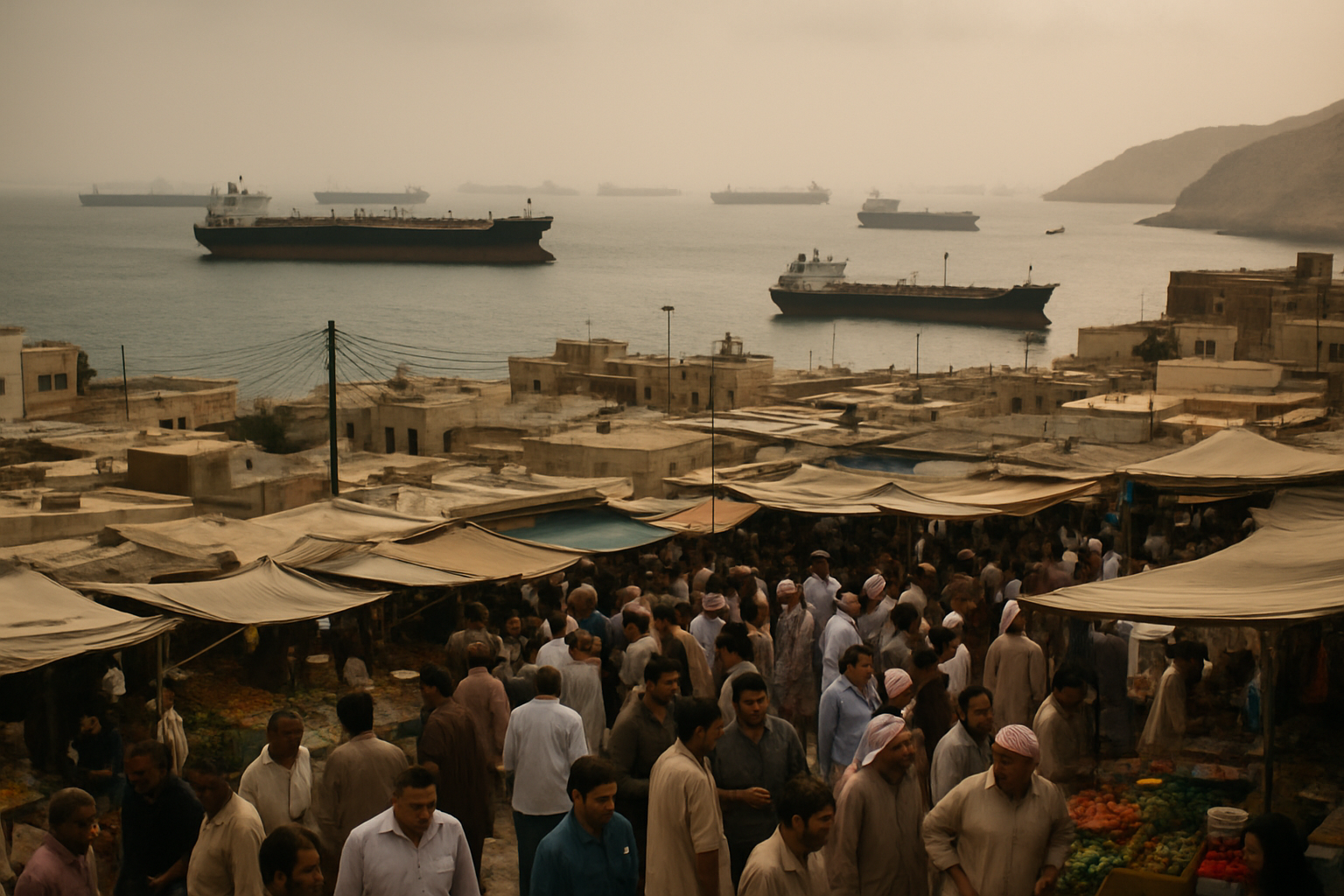
Let's recap: Iran's new supreme leader has vowed to keep the Strait of Hormuz closed, WTI crude is sitting at $97/barrel with Brent briefly touching $100, and the Pentagon just admitted the first six days of the US-Iran war cost $11.3 billion. Meanwhile, Trump is publicly demanding the Fed cut rates. Traders are pricing in the exact opposite. This is fine.
The Dow dropped 739 points, the S&P fell 1.52%, and Nasdaq slid 1.78% as Iran's drone attacks rattled Gulf oil infrastructure. The quietest winner in all of this? Russia. A Bloomberg podcast flagged that Russian tanker inventory dropped by 12 million barrels — strong demand signal — and Iran's strike on Qatar's LNG infrastructure is basically a gift-wrapped revenue boost for Moscow's gas exports. The Economist's coverage puts it bluntly: Putin may be the conflict's biggest beneficiary without firing a single shot.
Cramer's S&P oscillator is sitting at -7.5, which historically screams oversold — he's calling for a snapback if Qatar-brokered backchannel diplomacy lands. Maybe. But when the Strait of Hormuz doubles as a geopolitical hostage and Russia is the one cashing the check, "oversold" feels like a very optimistic word for what's actually happening.