JetBlue $JBLU Drops 7% as Hormuz Stays Shut
Two very different companies are taking very different kinds of pain from the same geopolitical crisis
Ticker Ratings
The Strait of Hormuz has been closed since US strikes on Iran, oil is sitting above $91 a barrel, and the ceasefire memorandum officially expired with zero new talks scheduled. If you think that only hurts energy traders, meet $JBLU and $NKE, two very different companies getting absolutely worked by the same macro storm.
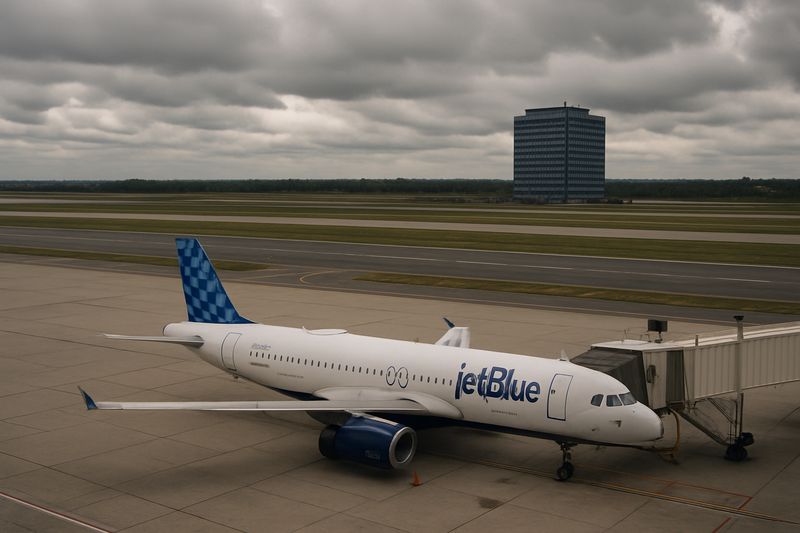
Seaport Global Securities downgraded $JBLU to neutral from buy, citing the Strait of Hormuz closure lasting longer than expected combined with JetBlue's elevated debt load. When jet fuel costs spike and your balance sheet already has no margin for error, that is a uniquely bad combination. The stock fell more than 7% on the news, and the analysts making this call are not wrong: airlines with pricing power and clean balance sheets can absorb $91 crude. JetBlue in 2026 is not that airline.
Meanwhile $NKE just hit its lowest level since 2014, trading around $39 per share, down roughly 40% year to date. New UBS evidence lab data showed Nike brand footwear prices in the secondary sneaker market dropped 2.9% year-over-year in July, with Jordan brand prices off another 2.8%. That is a brutal signal: when resale prices fall, it means the brand heat is gone, not just delayed. The new CEO's turnaround narrative is not showing up in the data yet.
To be fair, the macro backdrop is doing nobody any favors. The 30-year Treasury yield hit 5.31%, its highest since 2007. Bond investors are in revolt. Oil is elevated on supply fear, not demand joy. The dollar is weakening even as yields rise, which is the kind of market signal that keeps strategists up at night. Several stocks did hit all-time highs Monday including Merck and Bank of America, proof that this is a rotation story as much as a panic story.
The divergence is the whole point. Airlines with weak balance sheets and sneaker brands losing resale heat are exactly the kind of stocks that get crushed when the macro environment turns hostile. The companies hitting new highs are the ones with pricing power, low debt, or genuine exposure to where the money is actually going, which in August 2026 means energy, defense, and anything touching AI infrastructure.
Nike has been in a four-year identity crisis. JetBlue has been in a three-year debt crisis. Neither needed a closed strait and $91 oil, but here we are, and the market is not waiting around to see if management figures it out.