Indonesia's Stock Market Is Down 40%: Is It Uninvestable?
While everyone watches Hormuz, a slow-motion catastrophe is unfolding in Southeast Asia's largest economy
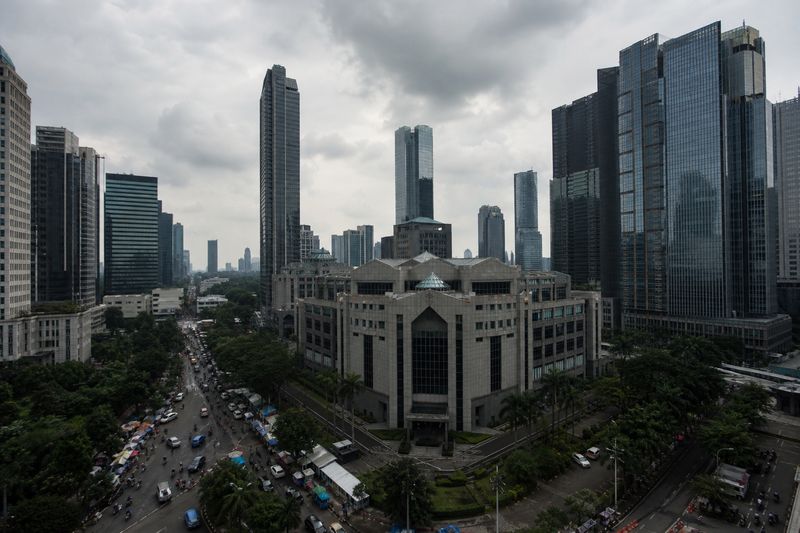
Everyone spent last week staring at oil tankers on fire in the Strait of Hormuz. Fair. But while your attention was there, Bloomberg's podcast quietly dropped a story that deserves its own alarm bell: Indonesia's stock market is down approximately 40% in 2026, making it the single worst-performing major stock market on earth. That's not a rounding error. That's a collapse.
The numbers are genuinely ugly. $5 billion in record outflows have already left the country this year, and in October, MSCI launched a formal review to consider downgrading Indonesia from Emerging Market status all the way to Standalone. For context, Standalone is one rung above 'we put sanctions on you.' A double downgrade like this would be historically rare and practically catastrophic for any fund manager whose mandate requires EM-eligible holdings, because they'd be forced to sell, full stop.
Why is this happening? The Bloomberg podcast points to coordinated market manipulation, opaque ownership structures, and insiders behaving badly. Which, sure, sounds like a lot of markets, but Indonesia apparently turned it into a lifestyle. When MSCI starts asking questions, it means the institutional money is already writing the obituary.
Now zoom out and drop this into the current macro backdrop. The VIX just spiked 12.91% to 19.42 on Friday. The Nasdaq shed 1.38% in a single session. The 10-year Treasury is bouncing around 5%, and geopolitical risk from the Iran conflict is pushing investors toward safe havens globally. When the global risk-off switch flips, the last place patient capital wants to be is a market already flagged for governance failures and zero liquidity runway.
The ripple effects matter too. MSCI downgrades force passive fund rebalancing on a massive scale. ETFs tracking EM indices would have to dump Indonesian holdings mechanically, regardless of individual stock quality. It's the financial equivalent of being voted off the island, except the island then sinks. Indonesia's situation is also a useful mirror for other frontier and emerging markets leaning on insider-friendly structures: MSCI is clearly sharpening its pencil.
The brutal irony is that Indonesia has one of the youngest, fastest-growing consumer populations in the world. Long-term the story could be compelling. But you can't build a bull case on fundamentals when the referee is considering ejecting you from the game entirely.
BullApe's AI grades every pick against the S&P 500 - wins and misses published. See the track record →