Hormuz Is on Fire and the VIX Is Barely Blinking
Geopolitical chaos in the Middle East, a weak jobs outlook, and a hawkish Fed walk into a bar. Markets shrug. For now.
Ticker Ratings
| Ticker | Rating | Entry Price | Current | $ Gain | % Gain |
|---|---|---|---|---|---|
| SPY SPDR S&P 500 ETF TRUST | hold | $757.12 | - | - | - |
| QQQ INVESCO QQQ TRUST, SERIES 1 | sell | $692.74 | - | - | - |
| DIA SPDR DOW JONES INDUSTRIAL AVERAGE ETF TRUST | hold | $517.65 | - | - | - |
| USO United States Oil Fund, LP | buy | $169.08 | - | - | - |
| BTC Grayscale Bitcoin Mini Trust ETF | hold | $77506.00 | - | - | - |
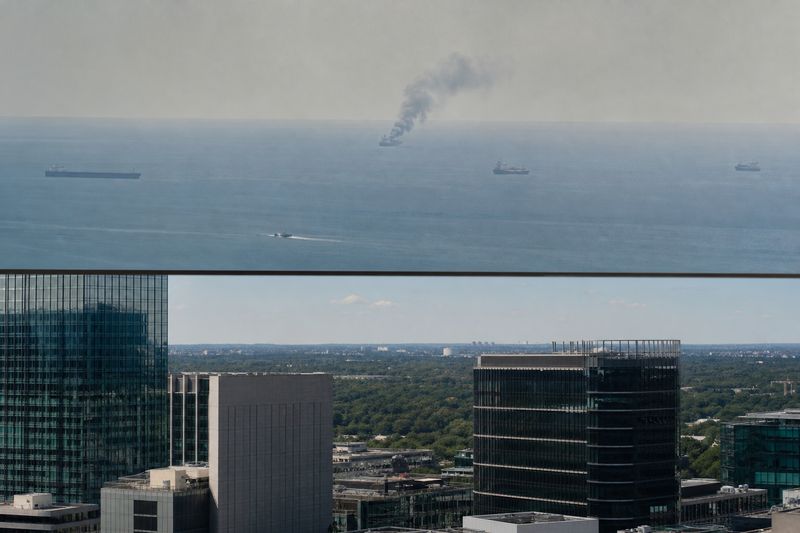
Let's set the scene. Multiple tankers are catching fire in the Strait of Hormuz. The US is evacuating non-emergency staff from Saudi Arabia. Oil is heading for its fourth consecutive monthly gain. The Pentagon's Iran war bill just hit $47 billion. And the VIX, the market's official fear gauge, closed the week at a cozy 17.2. That's not a fear gauge. That's a vibes gauge, and the vibes are apparently fine.
The macro picture, however, is not fine. The S&P 500 peaked at 7,743.98 on October 28 and rolled over fast, closing at 7,720.39 the next day. The Nasdaq had its worst single-day drop in months, falling 1.38% on October 29 and finishing the month down more than 9% from peak, its ugliest showing since March 2025 according to Cramer's Mad Money recap. The Dow quietly shed another 1.09% on October 30, closing at 51,770. That's a lot of red for a week where volatility supposedly wasn't a thing.
Here's the disconnect that should be keeping portfolio managers up at night: the 10-year Treasury yield dropped to 4.98% on October 29, a 1.39% single-day move lower, suggesting bond buyers are actually nervous and rotating into safety. Meanwhile, equity investors are playing it cool. One of these crowds is wrong, and historically, the bond market is the smarter one at the table.
The geopolitical risk premium is also getting quietly baked into consumer prices rather than stock prices. Unilever is flagging price hikes. Airlines are pulling back on fuel hedges and warning on fares. Yale estimates the Iran conflict has already cost the average household roughly $1,000 on top of $1,100 from tariffs. And Bloomberg Economics is forecasting only 26,000 new payrolls for October, well below the 50,000 needed just to keep unemployment flat. That's not a soft landing. That's a plane with a fuel warning light on.
The bull case here rests on two things: Liz Ann Saunders at Schwab noting that earnings growth has actually outpaced price gains this cycle (so this is not a 1999-style bubble), and ICE CEO Jeff Sprecher calling the current pullback a normal retrenchment in a long-term bull market. Those are credible voices. But they're also people whose job it is to keep you invested.
Next week brings Apple earnings, a potential Iran decision from the White House, the October jobs report, and midterm election results. Cramer called it on air: next week could be more volatile and emotional than this one. When Cramer is the cautious guy in the room, it might be time to check your risk settings.