Hormuz Strait Stays Shut: How the Iran Crisis Is Breaking Oil Markets
No talks, no deal, and a chokepoint controlling 20% of global oil supply still locked down
Ticker Ratings
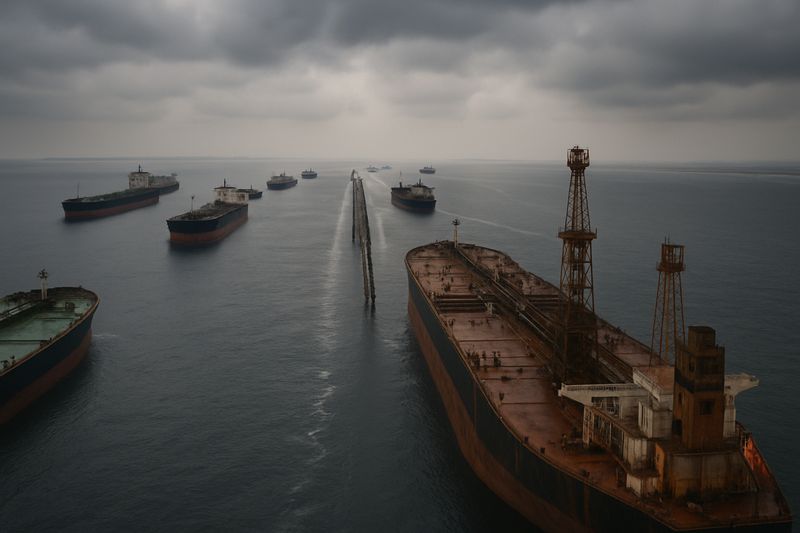
The Strait of Hormuz, the narrow chokepoint through which roughly 20% of global oil supply flows every day, is still closed. Iran said it stays that way until the U.S. meets interim deal conditions. Trump says there are no talks planned and that Iran should just surrender. So, not exactly a breakthrough week in diplomacy.
The Bloomberg Daybreak team broke down just how ugly the math is for Europe. According to Bloomberg's own calculations, the continent needs over 7 billion euros worth of gas to hit even its lowest winter storage targets. Oxford Economics puts European natural gas prices potentially surging to around 100 euros per megawatt hour, which could push eurozone inflation above 6%. That sounds catastrophic until you remember the 350 euros per megawatt hour peak from 2022, but "well below the previous catastrophe" is a pretty weak comfort right now.
Oil itself is holding gains on Middle East supply concerns. The UAE confirmed two missiles were launched from Iran toward its territory, which is the kind of headline that tends to keep crude bids firm. Meanwhile, Treasury Secretary Bessent announced the U.S. will impose what he called the toughest ever sanctions on Iran, urging China to cooperate, which is a move that historically goes about as well as you'd expect.
Bond markets are having their own moment of panic, with the Bloomberg Morning Bid flagging bond investors in outright revolt as Iran threatened to go "fully offensive." The 30-year Treasury yield has already been pushing above 5%, per the Odd Lots episode featuring Stanford's Darrell Duffie, driven by a government borrowing $2 trillion per year with foreign central banks largely sidelined as buyers. Add a Gulf war premium and you have a recipe for yields staying elevated regardless of what the Fed does.
Asian equity markets are marking time, according to Reuters, which is polite language for "nobody wants to be a hero in front of a geopolitical wildcard." Asian bank stocks are actually the bright spot here, with Shinhan Financial and KB Financial up between 3.5% and 5%, driven by rate pressure that benefits net interest margins. When banks are your safe haven, you know the vibe is different.
The Strait has been closed before in history as a threat, but never as an actual sustained blockade. If this holds through the Labor Day weekend and into next week with no diplomatic off-ramp, energy markets are going to have to reprice what "risk premium" actually means in 2026.