CVS Drops 13% on Spinoff: Can Two Broken Halves Make a Whole?
The pharmacy giant is breaking apart its retail and insurance businesses, and the market's verdict is brutal
Ticker Ratings
$CVS had a rough Tuesday. Shares cratered 13%, the stock's biggest single-day drop since January, after the company announced it's splitting its drugstore and retail pharmacy business from its insurance and prescription benefits division. The market's reaction was essentially a collective 'we'll believe it when we see it.'
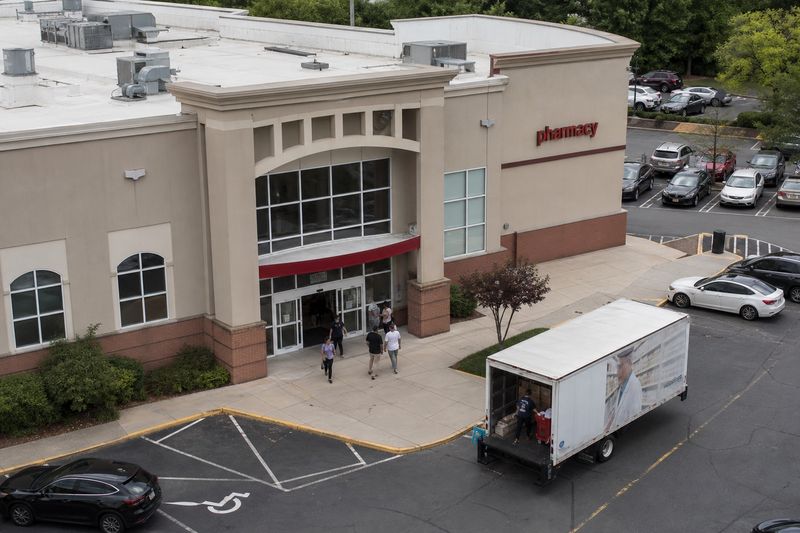
JP Morgan called the move a 'big surprise,' which in Wall Street speak means they had absolutely no idea this was coming. The planned split, expected to close in the first half of 2028, would create two standalone businesses: one with roughly 9,000 retail locations (already ahead of Walgreens) and one anchored by Aetna and its pharmacy benefits management arm. On paper, the logic is classic conglomerate breakup theory: unlock hidden value, let each piece attract the right investor base. In practice, analysts are asking whether either half can actually survive on its own.
The bear case is straightforward and kind of uncomfortable. Retail pharmacy margins are notoriously tight, the in-store environment is a graveyard of foot traffic that never came back post-COVID, and the insurance side carries all the political baggage of being a health insurer in an era where healthcare costs are genuinely despised across party lines. Abby Joseph Cohen, speaking on Bloomberg, flagged that the full negative impact of cuts to healthcare programs like Medicaid hasn't even hit yet, which isn't great background noise for a company trying to sell a standalone insurance business.
The bull case, which the CEO made directly on CNBC post-announcement, is that CVS's integrated model was specifically designed to lower system costs and improve access, and that healthcare affordability is a bipartisan issue. With Democrats now controlling Congress, there's actually a scenario where Aetna-adjacent businesses benefit from expanded subsidies and Medicaid restoration. The CEO pushed back hard on the idea that a Democratic sweep is automatically bad for health insurers, calling the bearish political thesis 'untrue.'
There's also a Duolingo-shaped subplot to this week's stock movers story: while CVS was bleeding, $DUOL ripped 30%+ after reporting 29% daily active user growth to 64.9 million and paid subscriber growth of 14% to 13.1 million. Apparently language learning is pandemic-proof, AI-proof, and Tuesday-proof.
CVS at a 13% discount is either a deep value entry before a successful breakup or a falling knife with a 2028 expiration date. The 9,000-store retail footprint is real, but so are the margins, and they're not pretty.
BullApe's AI grades every pick against the S&P 500 - wins and misses published. See the track record →