BNPL Is Broken: 1 in 3 Users Now Finance Groceries
What started as a way to split your Shein haul is now how Americans are buying bread
Ticker Ratings
| Ticker | Rating | Entry Price | Current | $ Gain | % Gain |
|---|---|---|---|---|---|
| AFRM Affirm Holdings, Inc. | sell | $70.32 | - | - | - |
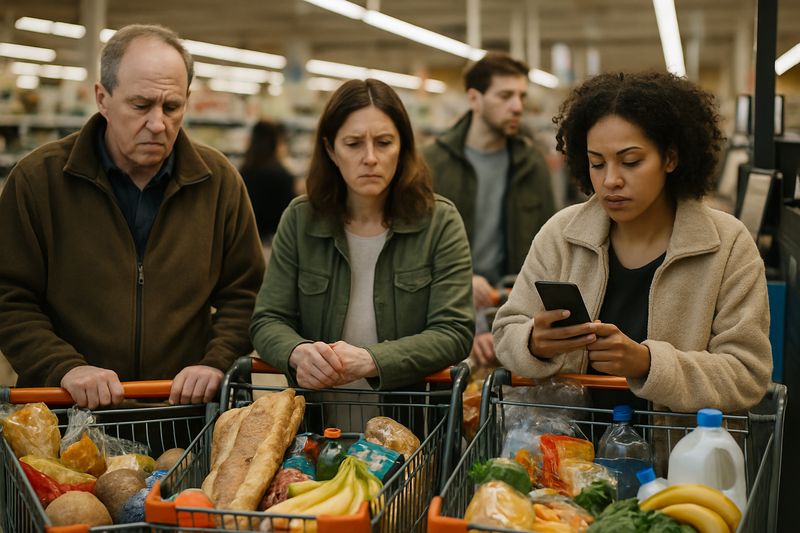
Buy now, pay later was supposed to be the fun alternative to credit cards. Split your sneaker purchase into four easy payments, avoid the interest, feel smart about it. Very cool, very 2021. Fast forward to mid-2026, and 29% of BNPL users are financing food purchases, more than double the rate from two years ago, according to data cited in a recent CNBC segment. We have officially left the discretionary spending era and entered the "I need to eat but my checking account disagrees" era.
The numbers don't get cheerier from there. 18% of BNPL users are financing car repairs and 13% are using installment loans to cover rent. Nearly half of all American adults have used a BNPL service at least once, which sounds like a fintech success story until you read the next line: nearly half of current users have missed at least one payment in the past year. That is not a rounding error. That is a structural crack in how a very large chunk of the country is managing cash flow.
Here's where it gets expensive. Miss a payment, and those zero-interest installments can flip to financing fees and interest rates as high as 36%. That is not meaningfully different from the high-interest credit card debt that BNPL was supposedly the antidote to. The whole pitch was "avoid predatory credit" and the fine print quietly contains predatory credit.
The macro context matters here. With the 30-year Treasury yield hitting 5.2%, the highest since 2007, and the Fed holding rates at 3.75% while inflation stays well above target for five-plus years, household budgets are getting squeezed from every direction. Oil near $85 per barrel adds pressure on gas and transport costs. Wages haven't kept pace. So consumers are patching the gap with whatever credit tool is in front of them, and right now that tool is Afterpay and Klarna at the checkout screen.
The bull case for BNPL platforms is pure scale: penetration is enormous and sticky. The bear case is that your user base is increasingly people who cannot afford the things they are buying, which tends to end badly for loan books. Affirm, the most visible publicly traded pure-play in the space, is caught between those two realities right now.
When your fastest-growing use case is groceries, you're not disrupting finance anymore. You're just the last line of credit before the food bank.
BullApe's AI grades every pick against the S&P 500 - wins and misses published. See the track record →
Mentioned: $AFRM