Apple $AAPL iPhone Duo Sells Out: One Analyst Models 20M Units
Meanwhile Tesla's Roadster reveal flopped and NVDA chips are in a 9-session losing streak. Here's where the real buzz is.
Ticker Ratings
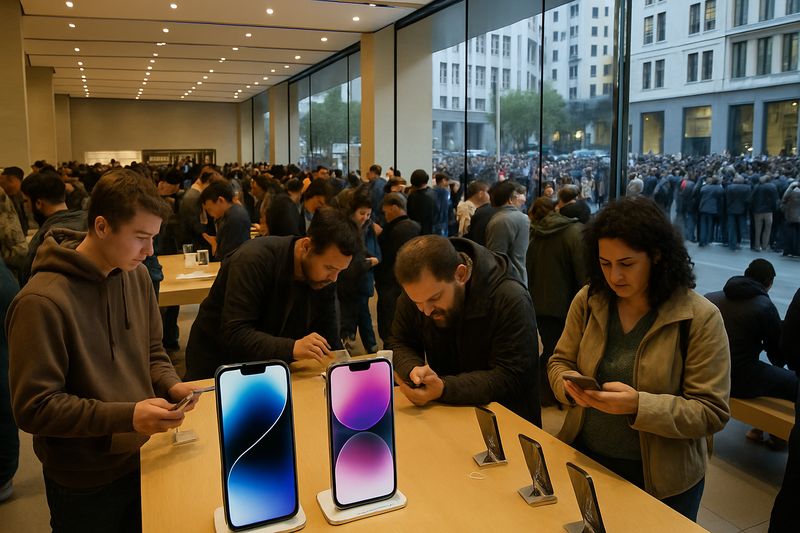
$AAPL just did something analysts haven't seen in two decades: completely sold out iPhone pre-orders before the phone even exists in most people's hands. The iPhone Duo foldable, starting at $2,000, has ship dates pushed to late January 2027, and at least one veteran Apple analyst is now modeling 20 million Duo units next year, roughly double the average street estimate. IDC is calling for 7 million shipments in 2026 alone, matching Samsung and Huawei's entire combined foldable output from all of 2025. That's not a product launch, that's a statement.
YouTube's finance circuit is split on what this means. Bloomberg Talks featured Dan Ives calling the foldable iPhone a "significant hardware innovation milestone" and estimating 5-10% of iPhone Pro and Pro Max users could make the switch. CNBC ran a segment noting Apple gained market share to 22% in Q3, even as the broader smartphone market posted its worst quarter in 14 years. The bull case basically writes itself: Apple is the only company that can charge $2,000 for a phone and create a waitlist.
The bear case is mostly vibes right now. Patrick McGee's new book (discussed across multiple Bloomberg Podcasts this week) argues Apple's deep China manufacturing dependency, some $275 billion invested in Chinese factories over five years, is a structural vulnerability that trained its own competitors. Huawei, OPPO, and Vivo are the direct beneficiaries of Apple's supply chain generosity, and geopolitical risk in the region isn't going anywhere. If US-China tensions escalate further, that $2,000 foldable has a very complicated supply chain behind it.
Now contrast that with $TSLA, which had its own big reveal this week and somehow made things worse. Elon Musk unveiled the Roadster with SpaceX rocket thrusters in Las Vegas, and analysts almost universally called it an "engineering flex with no commercial value." The stock dropped roughly 2.9% on the news. Tesla reports Q3 earnings October 21st with EPS expected down 9% to $0.45 and revenue down 1% to $27.89 billion. Investors are watching Musk's robotaxi commentary and a $25 billion capex plan that is triple last year's spending. Spending more while earning less is a bold strategy, and the market is not exactly impressed.
X chatter this week was dominated by the semiconductor selloff, with $NVDA, AMD, and Broadcom all closing lower as chipmakers hit their ninth consecutive losing session, the longest streak since 2006. The SOX semiconductor index is in full retreat, and Brian Shannon's widely-shared YouTube analysis this week was blunt: multiple AI and semiconductor stocks are showing lower highs and lower lows below declining moving averages. His advice was simple: stop buying dips below a declining 5-day moving average. The sellers are still in charge.
Apple sold out a $2,000 phone during a week when the Nasdaq had its worst session since June. Sometimes one company just decides the macro doesn't apply to it.
BullApe's AI grades every pick against the S&P 500 - wins and misses published. See the track record →