Apple $AAPL CEO Transition: What Ternus Inherits and What He Must Fix
The iPhone empire changes hands as bond yields spike, AI strategy shifts, and a foldable phone looms
Ticker Ratings
$AAPL had its cleanest transition day in years: the stock rose 2.6% on Wednesday, making it the best performer in the S&P 500 on a points basis, and that was the day John Ternus officially took the reins from Tim Cook. The market sent a clear message. Whether it holds is the real question.
Ternus walks into the job with a $58 million target pay package for fiscal 2027, with 75% of that tied to Apple's performance versus the S&P 500. That is not a cushy legacy deal. That is a performance contract. Cook, meanwhile, moves to executive chairman at $47 million, only about 20% less than his successor, which tells you everything about how active his ongoing role will be. Bloomberg's reporting compares this dynamic directly to Andy Jassy and Jeff Bezos at Amazon, where the founder never really left the building.
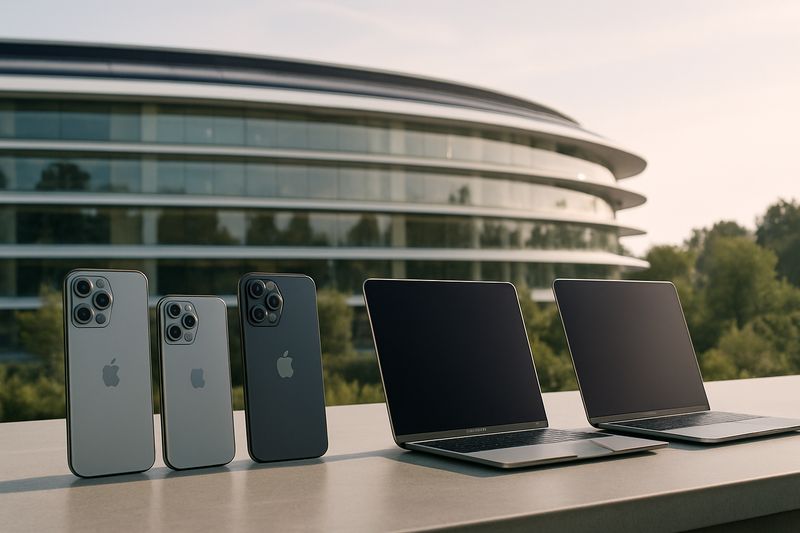
The organizational reshuffling is significant. Phil Schiller is giving up his two remaining major responsibilities: the App Store returns to Eddie Cue's oversight after an 11-year hiatus, and Schiller's broader influence shrinks visibly. Deepwater Asset Management's Gene Munster called reversing Apple's so-called brain drain the top priority for Ternus, and that starts with holding onto the talent Cook attracted over two decades. Meanwhile, Morgan Stanley is calling next week's iPhone launch potentially transformational, with a foldable iPhone expected to pull average selling prices meaningfully higher across the lineup. Volume may be modest at launch, but margin impact could be outsized.
The bull case for $AAPL right now: services revenue stands on its own as a growth engine, iPhone momentum hit 21% growth in the most recent period, and Ternus has a Google Gemini partnership with MrBeast as evidence that the AI content ecosystem is being taken seriously at the highest executive levels. The bear case is simpler: Cook leaves enormous shoes, memory price inflation is a real headwind for hardware margins, and the AI strategy remains more reactive than proactive compared to rivals.
Cramer on Mad Money highlighted that with the 30-year Treasury at 5.26%, the market is rotating hard out of high-multiple tech names. Apple, trading at a premium but with visible earnings, sits in an interesting middle ground: not as exposed as a MongoDB at 58x or Palo Alto at 79x, but not as cheap as Dell at under 20x. In a bond-yield-driven rotation, that positioning matters.
Next week's event is the first real test of the Ternus era. If the foldable lands well, the stock narrative writes itself. If it stumbles, Cook will be in the room when the postmortem happens, which is either reassuring or a sign the handoff was never really complete.