VIX Hit 40, Now at 26: Is the Market Bottom Actually In?
Social sentiment and technical signals are flashing 'possible bottom' but the macro headwinds are very real
Ticker Ratings
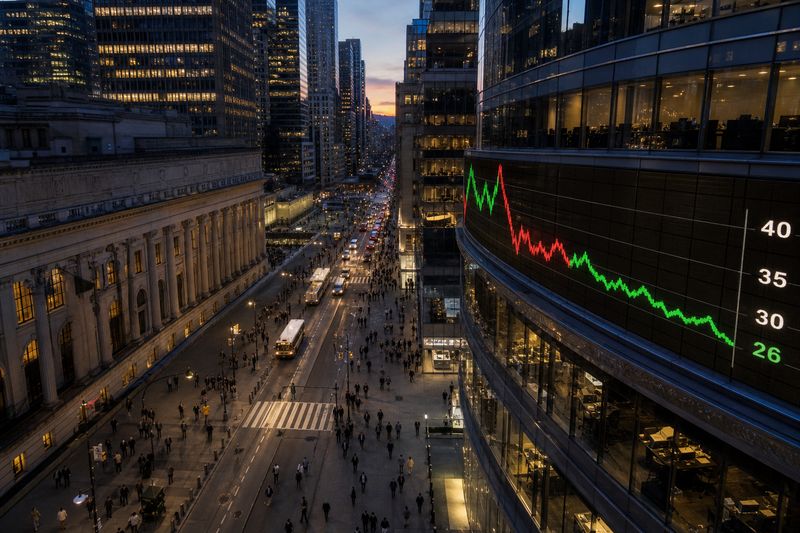
Let's recap the week that just happened, because it was a lot. The S&P 500 fell 3.7% on November 20 alone, briefly trading below its 200-day moving average around 7,350, and the VIX spiked to 40 intraday before closing at 35.89. Then, like a movie villain who inexplicably survives, the market came roaring back with a +4.73% session on November 23. The Dow swung from down 1,100 points to up 335 in a single Wednesday session. If your portfolio gave you whiplash, you are not alone.
The bull case is being made loudly. Tom Lee of Fundstrat (via CNBC's Closing Bell panel) called the VIX-40 print a rare signal historically associated with market bottoms, comparing it to December 2018. Bloomberg strategist Mark Cudmore described current valuations as one of the most exciting buying opportunities he has seen, citing strong earnings, falling yields, and lower energy prices. The technicals are cooperating, too: RSI dropped below 30 on the selloff, a classic oversold signal, and short covering has been driving some of the bounce.
But the bear case is not exactly hiding in the corner. The 10-year Treasury yield sits at 4.91%, the Fed is widely expected to hike (debate is 25 vs. 50 basis points), and PCE inflation climbed to 3.8% in October. AI hyperscalers now represent 13% of the entire US corporate bond market according to BondCliQ CEO Chris White, and credit is being repriced in real time. $NVDA is still roughly 35% below its October peak, and CoreWeave's bonds are hitting all-time lows. Meanwhile, CTAs were expected to unload around $68 billion in global equities over five days, which explains a lot of the mechanical selling pressure.
Sector rotation is happening in plain sight. Equal-weighted S&P, dividend aristocrats, and value names posted gains even on down days for the index. Andrei Jikh's YouTube channel notes that dividends accounted for 42% of total market returns between 1930 and 2017, which suddenly sounds less boring when growth stocks are melting. European financials are quietly moving too, with UniCredit ($UCG) clearing its final regulatory hurdle to acquire Commerzbank, a rare clean-win story amid all the chaos.
The macro backdrop remains legitimately messy: Houthis hitting Riyadh's tallest tower, Iran threatening a US naval blockade, new tariffs incoming on excess factory capacity, and a Thanksgiving nor'easter that postponed the Macy's parade for the first time in 100 years. (The market and the weather are both in their villain era.) Algorithmic trading is amplifying every swing, creating buyer strikes and V-shaped recoveries in the same session. Tom Lee's point about AI-driven quant systems causing outsized moves is worth taking seriously.
The stabilization looks real but feels fragile, and with the Fed poised to hike into an already anxious market, the next VIX spike probably has a reservation.