US Debt Hits $40T as Fed's Warsh Hints at September Rate Hike
The Strait of Hormuz is shut, oil is climbing, US debt just crossed $40 trillion, and the Fed chair is not blinking. Social sentiment is starting to catch up.
Ticker Ratings
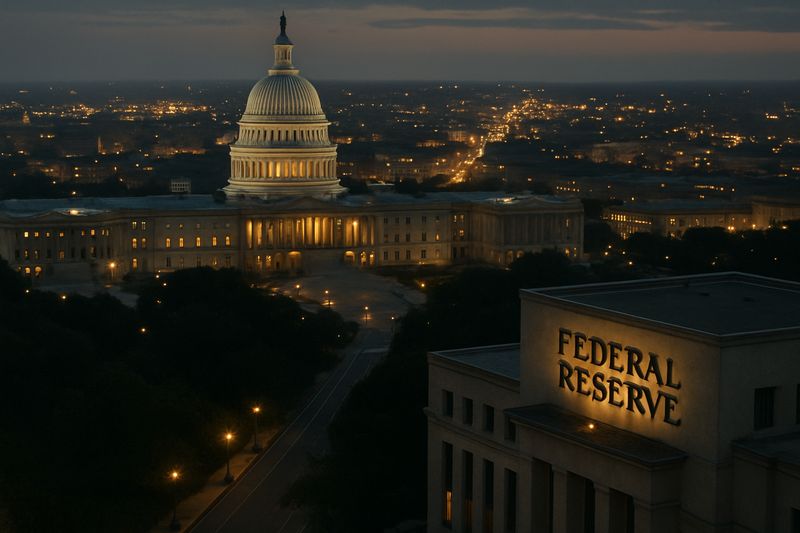
Let's set the scene: the Strait of Hormuz is shut, US national debt just crossed $40 trillion, the 10-year Treasury yield is sitting at 4.731% near 25-year highs, and Fed Chair Kevin Warsh just stood at Jackson Hole and said, politely but firmly, that inflation is not going away on its own. September rate hike odds are now pricing in around 60% probability of a hike, according to commentary from multiple YouTube finance analysts covering the event.
Warsh's Jackson Hole speech was the hawkish gut-punch the market did not want. He noted that 54% of PCE components are still rising, reaffirmed the 2% inflation target, and made clear that the Fed will act if prices do not cooperate. Former IMF Chief Economist Raghuram Rajan went further on CNBC, saying the Fed should have already moved and calling September a serious decision point. Meanwhile, Trump is publicly demanding lower rates, putting Warsh on a direct collision course with the White House. Great atmosphere. Very chill.
On the geopolitical front, Iran says the Hormuz Strait stays shut until the US meets interim deal conditions. Iran launched two missiles detected by the UAE. Trump threatened to bomb Oman. Treasury Secretary Bessent is promising the toughest sanctions package ever and urging China to cooperate. Oil is climbing. Energy stocks are getting a geopolitical premium, and the Bloomberg video on the Iran energy crisis makes the case that this shock is just getting started, not winding down.
The debt story is getting its own social moment, too. A Bloomberg Businessweek video highlighted that global debt now exceeds post-World War II highs. A separate YouTube segment from Jeremiah Babe put it bluntly: bond investors are starting to ask what happens when they stop believing the US can service $40 trillion with deficits running above 6% of GDP. The answer, historically, is not fun. Former finance ministers of the Netherlands and Germany offered cautionary tales on what fiscal discipline actually costs politically, and the verdict was not reassuring for anyone hoping Congress fixes this quietly.
The Affirm CEO appearing on Bloomberg to say American consumers are healthy feels almost comedic in this context, though to be fair, AFRM has posted 30-plus percent growth for 11 consecutive quarters while staying profitable, which is either a green shoot or the last green shoot before the frost. Back-to-school spending and home goods are driving volume. Gas prices are elevated but consumers are still swiping. For now.
The IMF's Kristalina Georgieva framed the macro moment well: two opposing shocks, an energy supply shock dragging growth down and AI pushing it up, with the outcome genuinely uncertain. If Warsh hikes in September and Hormuz stays closed through Q4, the question is not whether markets reprice, it is by how much.