Trump's Inflation Debt Plan Is Failing: Bond Yields Beat CPI
YouTube's finance creators are connecting dots between financial repression, Treasury dumping, and gold hoarding that Wall Street isn't saying out loud
Ticker Ratings
President Trump told Time magazine that inflation will pay off the national debt "very rapidly." That's not a gaffe. That's a policy confession. Economists have a name for it: financial repression, and it has a track record. After World War II, governments used it to quietly erase debt worth 2-3% of GDP annually by keeping borrowing rates below inflation. Savers got quietly robbed. The debt got quietly solved. Nobody rioted because nobody fully understood what was happening.
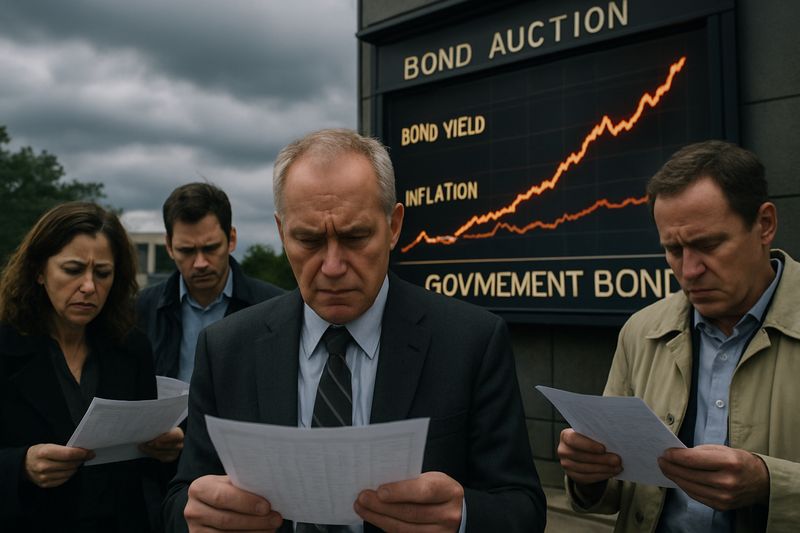
Here's the problem in 2025: the math isn't cooperating. As Felix Nikolas Prehn's recent YouTube breakdown points out, bond yields are currently running above CPI inflation, which means the government is paying more to borrow than inflation is erasing. The strategy only works when the yield curve is pinned below the inflation rate. Right now it's doing the opposite, and compounding interest costs are accelerating faster than the plan can function. It's like trying to bail out a boat while someone keeps drilling new holes.
Meanwhile, over on the doom-and-gloom end of YouTube, jeremiah babe is making a spicier claim: that China has permanently ended its 50-year practice of recycling trade surpluses into US Treasuries, redirecting that capital into physical gold stored in Shanghai and Beijing. The framing is apocalyptic (it always is), but the underlying dynamic is real. Treasury demand from foreign central banks has been shifting for years, and if the Fed needs to monetize more debt to keep yields manageable, you get more inflation, which is actually what the financial repression plan needs. Ironic, isn't it.
So where does this leave investors? The tug-of-war is between gold (which wins if real yields stay negative or financial repression succeeds) and long-duration Treasuries (which get crushed if inflation runs hot and the Fed stays behind). The YouTube consensus, from the more sober Bloomberg crew to the louder independent voices, is that the dollar's reserve status faces structural pressure, not imminent collapse. There's a difference between a slow leak and a blowout, but both are worth watching on the tire pressure gauge.
The gold trade is crowded, the Treasury short is consensus, and the Fed is stuck between the government's inflation wishes and its own credibility. Financial repression is a slow burn, not a firework, but the kindling is very much in place. The question is just who lights the match and when.
BullApe's AI grades every pick against the S&P 500 - wins and misses published. See the track record →