The Hormuz Deal, the SpaceX IPO, and Why Seth Klarman Is Sweating Right Now
A tentative US-Iran deal reopens the world's most important oil chokepoint — and the ripple effects are hitting everything from semis to gold to UK politics
Ticker Ratings
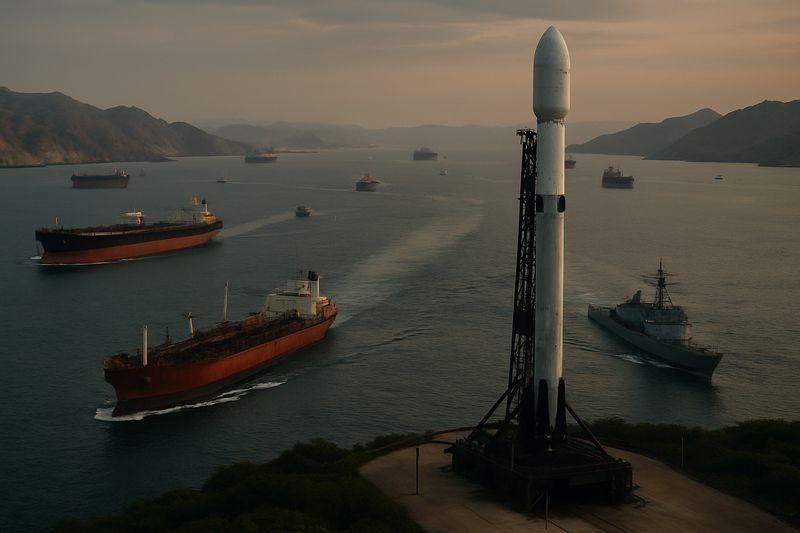
The biggest macro story of the week isn't a Fed meeting or an earnings miss — it's 120 supertankers sitting in the Persian Gulf waiting for permission to move. A tentative US-Iran memorandum of understanding is dangling a 60-day Hormuz reopening in front of markets, and the initial reaction has been textbook risk-on: bond yields dropped, global stocks jumped, and crude sold off hard — Brent down ~8% on the week before steadying near $80/barrel. Bloomberg's Fundstrat analyst Mark Newton called it "cautious optimism" and stressed the deal needs verification on nukes, missiles, and Lebanon troop withdrawals before anyone pops champagne.
Meanwhile, the real fireworks were in semiconductors. The Philadelphia Semiconductor Index surged 6.4% to a record high, with $INTC ripping over 10% on a Trump-backed Apple chip partnership and Goldman Sachs calling a full semiconductor supercycle. Asian chip names like SK Hynix followed suit, up 5-7% on hopes that cheaper energy means less inflationary pressure and a Fed that stays in its lane. $ASML was the buzzkill — facing heat from US Commerce Secretary Howard Lutnik over a possible EUV machine slipping into China.
And then there's the vibe check from Seth Klarman on Bloomberg, warning the market is "stretched and euphoric" with a tsunami of mega-IPOs incoming — SpaceX already landed the largest IPO on record, with OpenAI and Anthropic queued up behind it. Central banks quietly ditching US Treasuries for gold as their top reserve asset is the kind of structural signal that doesn't show up in a single session, but it's the one worth watching when everyone else is staring at Hormuz.