Strait Talk: Iran Threatens to Shut Hormuz and Oil Markets Are Having an Existential Crisis
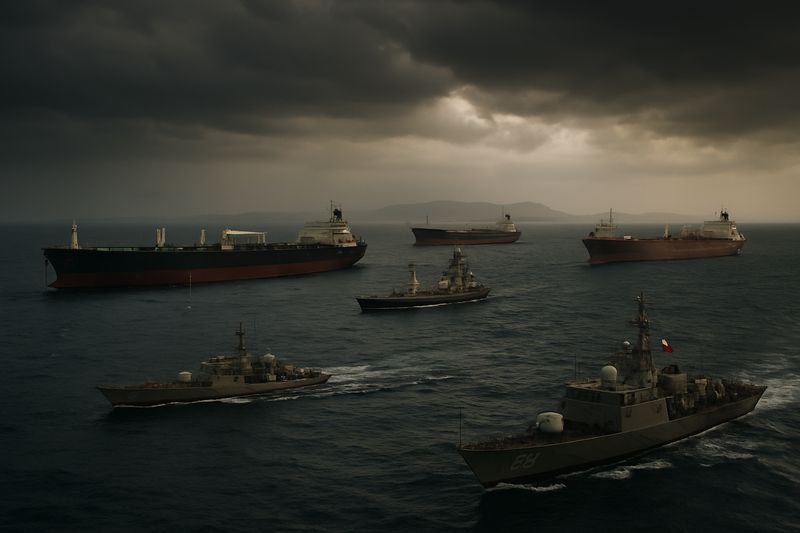
A US-Iran oil waiver sent crude tumbling, then Iran's Revolutionary Guards threatened to close the Strait of Hormuz — and traders have absolutely no idea which way to look
Ticker Ratings
Let's set the scene: it's Monday morning, the US has just handed Iran a 60-day license to sell oil internationally, WTI crude drops to $73.86, and traders are popping champagne — until Iran's Revolutionary Guards announce they'll completely close the Strait of Hormuz if Trump follows through on threats to Iranian energy infrastructure. So much for that champagne.
The Hormuz threat is not a footnote. Roughly 20% of global oil supply transits that strait daily. Saudi Aramco's CEO just pulled out of a major energy conference over the Iran conflict, UK PM Starmer called an emergency economic meeting, and the dollar is surging on safe-haven flows while Asia equity markets are sliding. Meanwhile, tens of millions of barrels trapped in the Persian Gulf during the Hormuz disruption are now flooding Asian markets — hitting buyers who already sourced alternatives. The supply picture is genuinely schizophrenic.
Reddit's r/wallstreetbets crowd is split between "buy energy stocks, war is the ultimate catalyst" and "this is how recessions start." Both camps are probably right, just about different time horizons. Bloomberg's Daybreak coverage sums it up best: oil is whipsawing because two massive forces — war risk premium and sanction relief supply glut — are fighting each other in real time. The market that figures out which force wins first gets to feel very smug for about 48 hours.
BullApe's AI grades every pick against the S&P 500 - wins and misses published. See the track record →