Strait of Hormuz Opens, Anthropic Gets 90 Minutes to Die, and SpaceX Just Broke the IPO Record — Welcome to Finance in 2026
YouTube's top finance creators are all talking about the same three things: oil, AI regulation, and a stock market that refuses to blink
Ticker Ratings
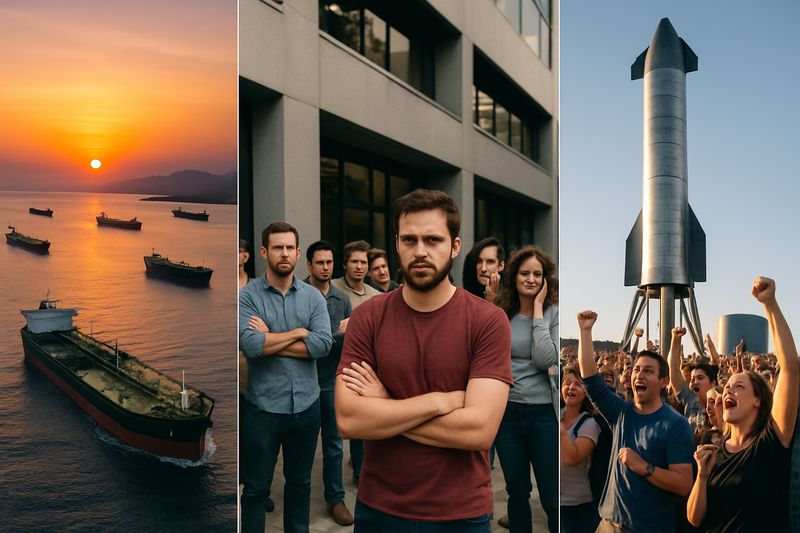
Let's set the scene: ~80 million barrels of oil are floating in the Persian Gulf on parked supertankers, Iran just signed an MOU with the Trump administration promising not to build nukes (details TBD, apparently), and the Strait of Hormuz — which moves roughly 20% of the world's oil — is reopening in 30 days. Bloomberg's coverage and The Economist both flag the same concern: the US handed Iran upfront sanctions relief and lost its two biggest leverage points — credible military threat and oil sanctions. Morgan Stanley is already penciling in Brent crude at $90/barrel for Q3 2026, dropping to $80 in Q4. Crude falling is good for inflation, good for the Fed, and as Fundstrat's Mark Newton notes, it takes some hawkish pressure off rate expectations — which is why global stocks are ripping.
Meanwhile, in a move that makes the SEC look chill by comparison, the US Commerce Department gave Anthropic a 90-minute notice to shut down its AI models globally — right as the company had confidentially filed for an IPO at a $965 billion valuation. The alleged threat? A jailbreak that involved asking a coding AI to... read and fix code. Patrick Boyle's coverage of this is essential viewing. Amazon CEO Andy Jassy reportedly tipped off the White House despite Amazon being a major Anthropic investor. The SpaceX IPO — now the largest on record — is making the Anthropic drama look even more chaotic by comparison. On the cruise side, $CCL reports Q2 Tuesday with options implying a ~6% move, and Stiffel is a buyer — no deterioration in consumer spending, 85% capacity sold as of March.
Andrei Jikh's gold video lands the most unsettling stat of the week: for the first time in modern history, central banks now hold gold above US Treasuries as their number one reserve asset. When the people who print money stop trusting money, maybe pay attention.