S&P 500 Posts 6th Loss in 7 Sessions: Is 7,500 the Next Stop?
War costs, a Fed hike, and a 10-year yield not seen since 2007 are all ganging up on equities at once
Ticker Ratings
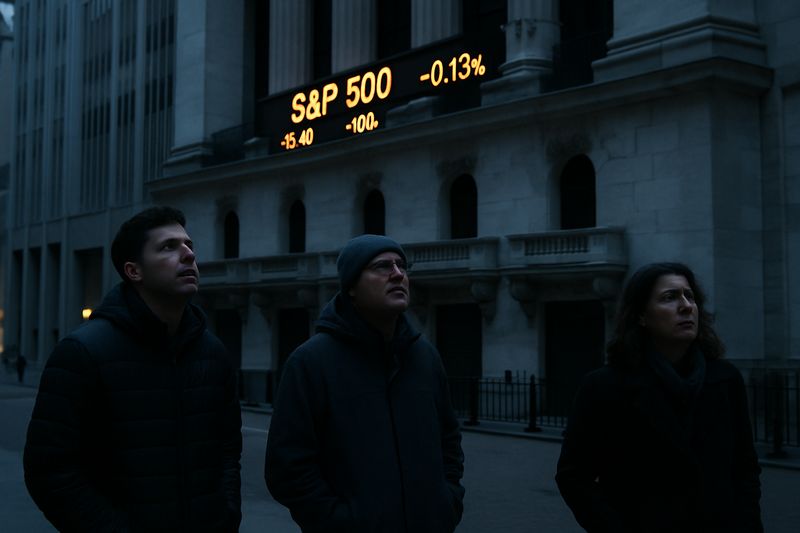
Let's just say the market is not having its hot girl summer. The S&P 500 closed at 7,585 on September 15, its sixth loss in seven sessions, with the Dow shedding 328 points and the Nasdaq dropping 204. The VIX jumped back to 17.1 after a brief one-day reprieve, and the 10-year Treasury yield hit 5.04%, its highest level in nearly 20 years. In other words, every single thing that was supposed to calm down is going the wrong direction.
The macro cocktail here is genuinely nasty. The Iran war has now cost $38 billion according to the CBO, running at $2 to $3 billion per month, with Hormuz shipping traffic in the single digits and Saudi pipelines shutting down. Oil is above $106 per barrel and diesel is sitting at a record $6.23 per gallon, per social commentary trending on YouTube. That is supply-side inflation the Fed literally cannot fix with rate hikes, which makes the whole situation extra fun. The ECB already hiked citing war-driven inflation angst, and the Fed is widely expected to follow with a 25 basis point hike, with 76% of CNBC Fed Survey respondents calling for a move at the upcoming meeting.
The bull and bear cases are actually both being made loudly right now. On the bear side, Dan Niles is out flagging a potential hiking cycle that pushes rates to 6%, seasonal midterm patterns that historically produce a 10% drawdown from late July through November, and a bond market you simply do not want to fight. Wells Fargo cut its S&P year-end target to 7,700 and downgraded tech, while upgrading healthcare as a defensive rotation play. On the bull side, Fundstrat's Tom Lee is arguing the hike itself could spark a big rally by taking future hikes off the table, and Carlyle CEO Harvey Schwartz says his portfolio of 750,000 employees is showing GDP growth of 2.25 to 2.5% with resilient consumer spending. Two very different vibes.
The sector rotation story is the one worth watching. Wells Fargo's downgrade of semiconductors inside tech, the upgrade of healthcare, and the general flight toward defensive names all rhyme with classic late-cycle positioning. $GM and $AAPL both fell on the CarPlay partnership news, which tells you something about how skittish this market is even toward genuinely good product news.
One wildcard nobody is pricing cleanly: Treasury Secretary Bessent's planned sanctions on a major unnamed bank, announced for Monday. That kind of headline hitting an already jittery market, with yields at 5% and the VIX still elevated, is the kind of thing that turns a rough week into a very bad one.
The market is not broken, but it is absolutely exhausted, and exhausted markets have a habit of falling down stairs.