Solar Deployment Drops for First Time in 2026: What Killed the Boom?
Oversupply, cannibalized battery returns, and China saturation are rewriting the clean energy trade
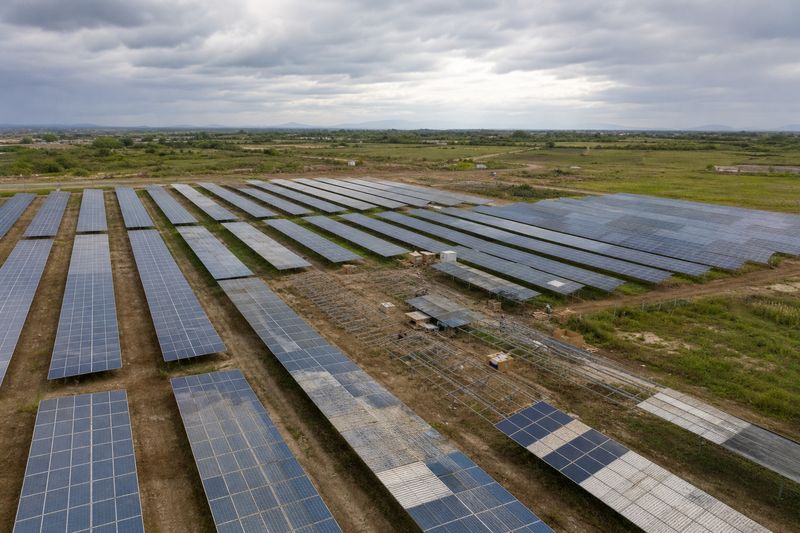
The solar industry just had its 'wait, we built too many malls' moment. According to a recent Bloomberg Podcasts deep dive, global solar deployment is projected to fall from 655 GW in 2024 to roughly 584 GW in 2026, marking the first annual decline the sector has ever seen. That's not a rounding error. That's a structural reckoning.
The culprit is a problem that sounds almost absurdly optimistic: solar worked too well. China and other major markets built so much solar capacity that daytime generation is now flooding grids with more electrons than anyone can use, crushing wholesale power prices and destroying the economics of new projects. When you're literally giving electricity away at noon and paying people to take it, your business model has a problem.
The bear case gets worse when you bring batteries into it. The conventional wisdom was that cheap solar plus cheap batteries would be an unstoppable combo, and that's still directionally true, but both technologies face the same cannibalization trap. Early warning signs are already showing up in Australia and California, where battery revenues are being compressed as the market fills up with storage just as fast as it filled up with panels. The cure is becoming its own disease.
The bull case, though, isn't dead. It's just moved to a different zip code. Emerging markets like Pakistan and the Philippines are experiencing organic solar booms driven by genuine energy demand, not policy mandates or subsidy chasing. These are markets where the grid is unreliable, diesel is expensive, and solar economics are still compelling. If you're looking for the next leg of the clean energy trade, it's probably not in Germany or California.
For investors, this reshuffles the deck pretty significantly. Utility-scale solar developers exposed to saturated Western and Chinese markets are facing a structural headwind that isn't going to reverse quickly. Meanwhile, companies with emerging-market exposure or genuine battery storage differentiation have a cleaner runway. The Bloomberg podcast also flagged that in Spain, a potential center-right PP government win could create headwinds for renewable stocks like $GREP (Grenergy), which thrived under policies the new administration may soften or reverse.
Cheap solar was the trade of the last decade. The trade of the next one is figuring out who survives the hangover.
BullApe's AI grades every pick against the S&P 500 - wins and misses published. See the track record →