Mortgage Rates Near 7% in August 2026: 3 Housing Stocks to Watch
Sellers are slashing prices, buyers are frozen, and the Iran crisis is quietly killing the housing market
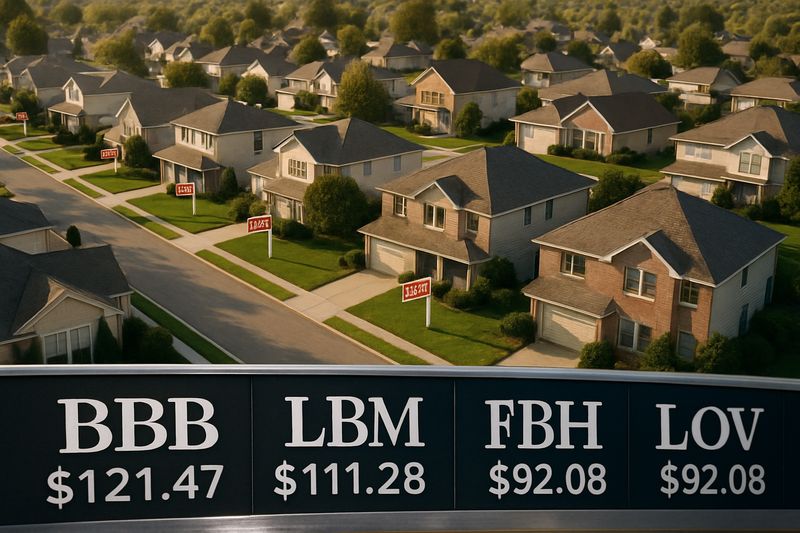
Ticker Ratings
While everyone is watching oil prices and Strait of Hormuz headlines, the US housing market is quietly having a very bad summer. 30-year fixed mortgage rates are approaching 7%, near a one-year high, according to CNBC coverage tracked by BullApe. That stings extra hard because rates teased buyers with a brief dip below 6% in February 2026 before reversing hard.
What killed that window? A one-two punch: the US military strike on Iran on February 27th, and the new Fed Chair Kevin Warsh signaling a hawkish posture that markets are now pricing as a possible rate hike rather than a cut. The Richmond Fed's Tom Barkin noted this week that the economy looks solid on the surface but inflation is not at target, and policy is not sufficiently restrictive. Translation: nobody at the Fed is in a hurry to give mortgage borrowers a break.
The demand side of the equation looks grim. Motivated sellers are cutting asking prices as summer ends, with properties sitting unsold due to buyer hesitation. The US housing market has been in a prolonged slump for years at this point, and this rate reversal is one more boulder on top of a pile. Consumers, per Barkin, are getting creative to fund spending, including moving back home and skipping insurance payments, which is not exactly the buyer profile that closes on a $500,000 house.
The macro context makes it worse. Geopolitical risk from the Iran conflict is keeping 10-year Treasury yields elevated, which feeds directly into mortgage pricing. Bond investors are in what Reuters called a revolt this week, pushing yields higher as the Iran standoff drags on with no negotiated resolution in sight. As long as Hormuz stays shut and inflation stays sticky, the Fed stays hawkish, and mortgage rates stay high.
The bull case for housing stocks is thin right now but not zero: any ceasefire or deal with Iran could send Treasury yields tumbling and mortgage rates with them, unlocking pent-up demand that has been building for two years. The bear case is that even if rates dip, affordability is structurally broken in most major metros and sellers still haven't fully capitulated on price. The market is stuck waiting for someone to blink first, and nobody seems to be in a hurry.
If you are a homebuilder hoping rates saved you by Labor Day, the Fed just sent you a strongly worded message with no return address.