Iran War Is Costing US Consumers at the Pump and the Grocery Store
Social sentiment is spiking on geopolitical risk as oil, airlines, and consumer brands all feel the squeeze from an ongoing Middle East conflict
Ticker Ratings
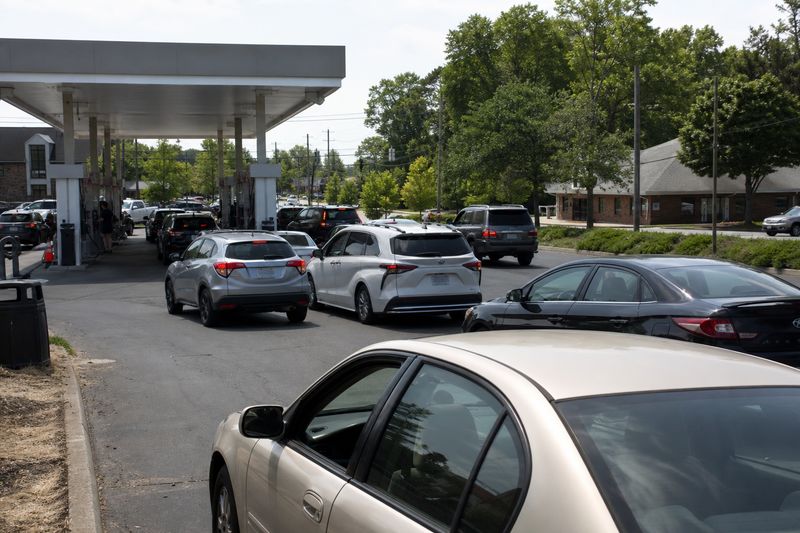
The Iran war has officially graduated from a cable news problem to a your-wallet problem. A new Reuters study confirms US consumers are paying the most for fuel among any conflict-era benchmark, and the ripple effects are now hitting everything from Unilever's product shelves to FedEx's flight routes. The Pentagon puts the US bill at over $47 billion and counting. That's not a rounding error. That's a midsize country's GDP.
Social sentiment on X is running hot on the geopolitical risk angle, with traders split between two camps: the peace-deal optimists (Qatar is reportedly presenting Iran with a new war-ending framework) and the escalation skeptics pointing to Trump's comments that the US "may do another military operation against Iran." Netanyahu is meanwhile touting Trump's endorsement on the eve of a vote and hinting at restarting hostilities. Markets are trying to price all of this in real time and mostly failing gracefully, which is honestly impressive.
Here's what the data actually shows. Oil dropped from near six-month highs on peace-deal hopes, pulling the energy trade off its boil. The VIX sits at 17.52, down nearly 5% on the week, which means the options market is not panicking. The S&P 500 has clawed back to 7,743 after a mid-week dip, and the 10-year Treasury yield is holding just under 5%. This is a market that's living with the war rather than fleeing it.
But the consumer squeeze is real and getting louder. Unilever is flagging price hikes. Food and household brands across the board are warning of more pain ahead. Airlines are pulling back on fuel hedges and warning passengers on fares, which is airline-speak for "you're going to pay more and we tried to warn you." Hezbollah is reportedly rearming with Iranian funds. Saudi and Egyptian equities are sinking as Yemen conflict intensifies. None of this is priced for a clean exit.
The Bloomberg Odd Lots podcast this week flagged something worth watching alongside all of this: neo cloud financing stress, data center bond spread widening, and AI capex bubbles forming quietly in the background. The Iran war is eating consumer sentiment while a separate credit story brews in the tech sector. Two different fires, one market trying to stay calm at both.
If Qatar's mediation actually lands a ceasefire, energy names crater, consumer staples breathe, and the VIX probably tests 15. If Trump's "another military operation" comment turns into policy, buckle up. The market is betting on the former while nervously Googling the latter.