Iran Keeps Hormuz Shut: What It Means for Markets Beyond Oil
With Trump threatening Oman, bonds in revolt, and Walmart already cracking, the Hormuz closure is the worst-timed geopolitical shock in years
Ticker Ratings
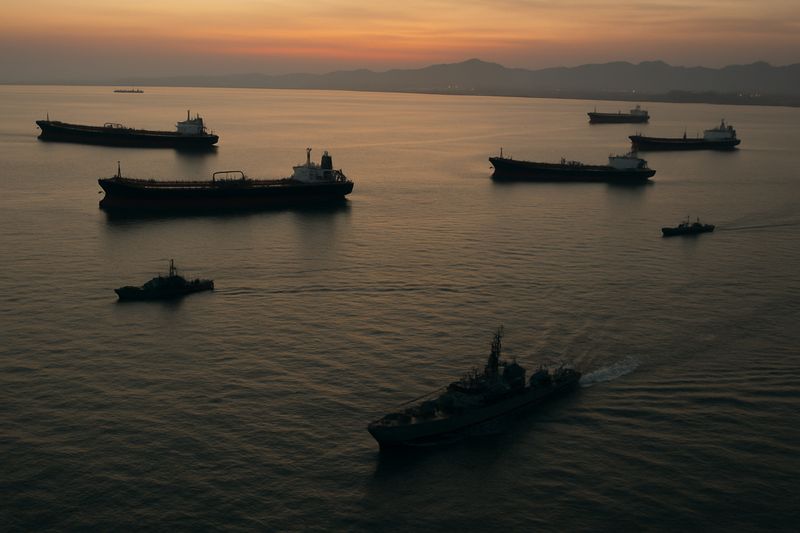
Iran just told the world it won't reopen the Strait of Hormuz until the U.S. meets interim deal conditions, and the market implications stretch well beyond oil prices. The Hormuz strait handles roughly 20% of global oil supply on any given day, which means every hour it stays shut is another hour of supply-chain anxiety layered on top of an economy that was already showing stress fractures.
The news cycle here is moving fast. Reuters has reported that Trump says no talks are planned with Iran, while simultaneously threatening to bomb Oman and warning countries that support Tehran of economic consequences. Treasury Secretary Scott Bessent is hinting at secondary tariffs of 25% on any nation that keeps buying Iranian oil. The UAE confirmed two missiles were detected and launched from Iran. This is not a simulation.
Here's what makes this especially nasty timing: the broader macro backdrop was already deteriorating before Hormuz became a household name again. Bloomberg Podcasts covered Thursday's session, where the Dow dropped 686 points, the 30-year Treasury yield climbed another 5 basis points, and Walmart posted its worst U.S. sales growth in six years. The consumer is cracking. Bond markets are revolting. And now oil supply is a live geopolitical variable again.
The energy angle is straightforward: oil prices are gaining on Middle East supply concerns, per Reuters. But the secondary effects are what traders should be watching. Rising energy costs are inflationary, which pressures the Fed to stay higher for longer, which hits bond prices, which pushes yields up further, which tightens financial conditions for everyone from mortgage holders to leveraged buyout desks. It's a chain reaction that doesn't have a clean off switch.
On the sentiment side, Fundstrat's Mark Newton, as covered by CNBC, believes Treasury intervention at roughly 4.75% on the 10-year acts as a policy put and could spark a relief rally. Gold and Bitcoin have already surged in response to the chaos, which tells you where the safe-haven instinct is pointing right now. The problem is a sustained Hormuz closure isn't the kind of shock a bond buyback program can paper over.
If Iran and the U.S. find a path to de-escalation in the next 48 hours, you get a sharp relief rally across equities and a spike down in oil. If they don't, every earnings model built on stable energy costs becomes fiction. Markets are, for once, genuinely priced for uncertainty rather than priced for hope.