INTC Drops 20%, AMZN Falls 9%: Earnings Week Bites Back Hard
After Alphabet's historic $470B wipeout, Intel and Amazon piled on with ugly prints that shook the whole tech trade
Ticker Ratings
Earnings season just handed retail traders a three-day, three-punch combo they did not see coming. First $GOOGL lost nearly $470 billion in market cap in a single session on a $1.5 billion search revenue miss. Then, while investors were still rubbing their jaws, $INTC and $AMZN reported after the bell and made everything worse.
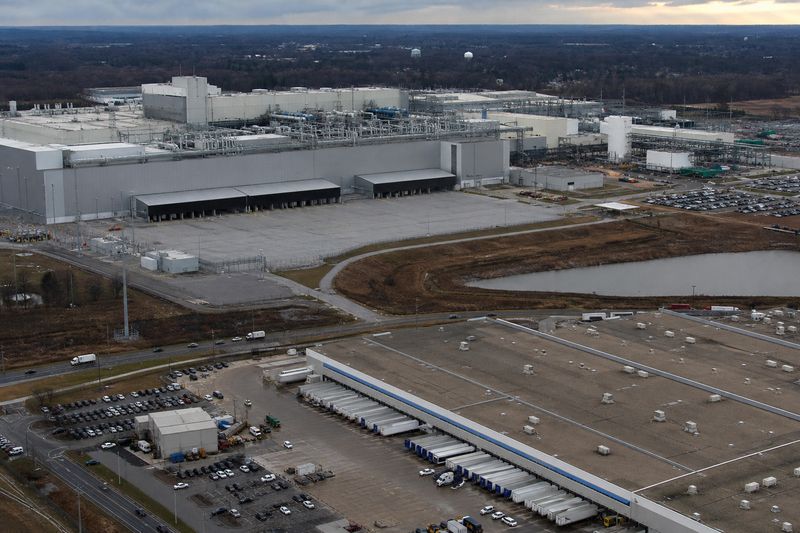
$INTC is the real horror show of the week. The company guided Q4 revenue at $15 to $16 billion against street expectations of $17.05 billion, and gross margin guidance came in at 38% versus the consensus of 42.8%. That is not a miss, that is a structural collapse. Weak PC processor demand, supply chain problems at its Israeli plant (yes, the Iran war is showing up in chip earnings now), and a PC market slump expected to last through at least the first half of 2027 all hit at once. Shares fell more than 20% after hours. The Bloomberg Podcasts crew called it accurately: this is not a one-quarter blip.
$AMZN is a more complicated story, which is almost more frustrating. AWS actually beat, growing 39% ex-FX, which is the number every cloud bull wanted to see. But the market looked past that and straight at the capital expenditure line: over $77 billion in spending with a $220 billion full-year capex commitment reaffirmed. When you spend like that, you need flawless execution everywhere else. Amazon did not deliver it, and shares dropped roughly 9% after hours.
The sentiment setup here is important context. Retail traders came into this week leaning bullish on big tech, buoyed by a VIX that dropped from 19.45 to 16.91 over the past few sessions and an S&P 500 that had quietly recovered toward 7,744. The calm market conditions made everyone a little too comfortable. Now the Nasdaq has shed 365 points in a single session, and the question is whether this is a rotation moment or the start of something uglier with the 10-year yield creeping back up to 5.05%.
One winner hiding in the wreckage: $MSTR is not relevant here, but $MA actually had a solid week, with Mastercard reporting 14% revenue growth to $9.8 billion and adjusted EPS of $5.31, beating estimates by $0.14. Sometimes the boring payment rails look pretty good when the AI moonshots are blowing up on the launchpad.
The real takeaway from this earnings stretch is that the market has stopped giving big tech credit for spending and started demanding proof of returns. Intel has no credible path to show that proof. Amazon might, but not yet. The bill for the AI infrastructure buildout is coming due, and some of these quarterly reports are starting to look less like earnings reports and more like invoices.