Hormuz Strait Shutdown: Oil Shock Hits as Iran-U.S. War Stalls
Tehran's Strait of Hormuz blockade is tightening the screws on global oil supply while Washington and Iran trade threats instead of terms
Ticker Ratings
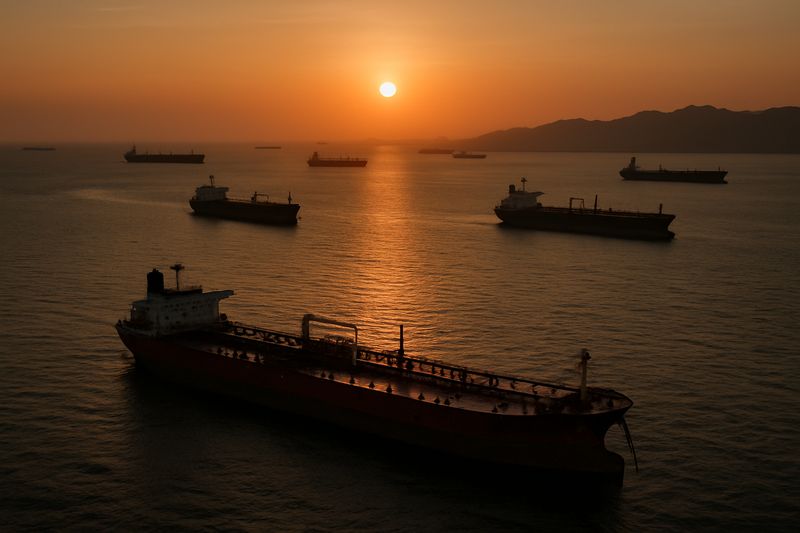
Let's be clear about what is happening right now: roughly 20% of the world's oil supply passes through the Strait of Hormuz, and Iran has shut it down. Not metaphorically. Not as a warning shot. Shut. Down. And according to Reuters, Tehran says it stays that way until Washington meets interim deal conditions that, at the moment, no one in the White House appears interested in meeting.
The headline numbers tell the story. Oil prices are gaining on Middle East supply concerns, bond investors are in revolt as Iran threatens to go fully offensive, and the UAE has confirmed that two missiles launched from Iran were detected earlier in the session. Trump's response? He says no talks are planned, Iran should surrender, and he's threatening to bomb Oman. Cool, cool, completely normal Tuesday morning in global energy markets.
The broader macro picture is genuinely ugly. Bloomberg Economics noted that 47 years of sanctions have not broken Tehran's will, but this moment is different: Iran's regional proxy network is significantly weakened, Hezbollah is battered, the Assad regime is gone, and Tehran is dealing with 66% inflation, a collapsed currency, and rising unemployment at home. The UAE has cut all trade ties. Treasury Secretary Bessent is promising the toughest-ever sanctions package. The pressure is real, but so is the pain being exported through every oil tanker that can't move.
Meanwhile, social sentiment on YouTube and X is splitting along predictable lines. The energy bull camp is pointing to the Iran crisis as validation that oil infrastructure plays and energy equities are the only sensible hedge right now. The macro bears are dragging out the K-shaped economy thesis: asset holders get the inflation pop from oil, everyone else pays it at the pump. One Bloomberg podcast framed it simply: the Iran war energy crisis is just getting started. Hard to argue with that framing when there are no talks scheduled and missiles are being lobbed at the UAE.
What to watch next: whether China, which is still buying Iranian crude at a discount through back channels, gets drawn into Bessent's sanctions dragnet. Trump has already warned of economic consequences for any country supporting Iran, which is a not-very-subtle message to Beijing. If China blinks and cuts purchases, Iranian pressure becomes existential fast. If it doesn't, the sanctions theater continues while oil stays elevated and the Strait stays closed.
History suggests straits reopen eventually. History also suggests everyone underestimates how long eventually takes when both sides think they're winning.