Hormuz Stays Shut: Oil Spikes as Iran Rejects U.S. Terms
Six ships through Hormuz, a U.S. warning shot fired, and Saudi Red Sea exports going dark, the energy market is repricing geopolitical risk in real time
Ticker Ratings
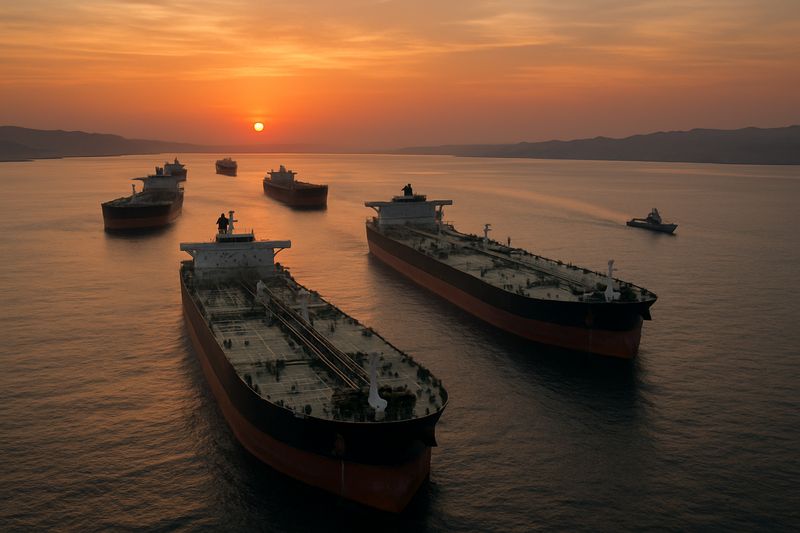
The Strait of Hormuz, the chokepoint through which roughly 20% of global oil supply flows, is effectively closed, and Iran says it's staying that way. An Iranian security council official confirmed that Hormuz will remain shut unless the U.S. meets a list of conditions, with Reuters reporting the standoff is now tied to demands around sanctions relief, nuclear negotiations, and a return to interim deal terms. Translation: this isn't a 48-hour news cycle story. This is a siege.
The market is starting to price it that way. Gulf shipping traffic through Hormuz has collapsed to just six vessels, according to Reuters data, a number so small it reads like a rounding error in a normal week. Oil prices settled higher on the news, with Reuters flagging that Iran's position hardened further after a U.S. Navy vessel reportedly fired on a Panama-flagged ship attempting to break an Iranian port blockade. Meanwhile, Saudi Red Sea oil exports have gone dark as Houthi attack threats escalate. If you're keeping score: two of the world's most critical shipping corridors are simultaneously compromised.
The social sentiment picture is messy but directionally clear. YouTube channels tracking the macro environment, including the jeremiah babe channel, are flagging a $432.3 billion U.S. budget deficit in July alone, already past the full-year 2025 total with five months left on the calendar, as context for why any sustained oil shock lands harder now. A Bloomberg Podcasts segment noted that S&P 500 and Nasdaq futures briefly popped on a Reuters report of a fresh U.S.-Iran peace deal being floated, then gave back gains when Iranian officials denied any imminent agreement. Classic relief rally, classic fakeout.
Trump's comments that the U.S. has "total control" over the Strait add a layer of political theater to an already volatile setup. Iran's counterpunch was swift: no concessions, no ships. The geopolitical premium in crude isn't going anywhere soon, and energy sector sentiment on X is decisively bullish on refiners and integrated majors as a hedge. Separately, Putin's threat to seize EU vessels if Europe targets Russian ships adds another wild card to global shipping risk that traders haven't fully digested yet.
The bear case for equities here is straightforward: a sustained Hormuz closure is a supply shock that no amount of Fed pivot optimism can paper over. The bull case, thin as it is, rests on how fast back-channel diplomacy can move. Given that Iran has explicitly tied reopening to U.S. concessions on "several demands", Reuters' words, not spin, the diplomatic runway looks shorter than the oil futures curve.
Six ships. That's your data point for the day. The last time global shipping looked this fragile, the market took months to recalibrate.