Hormuz Crisis: Oil at $82, Diesel at Record Highs, and No Exit in Sight
A closed strait, a diesel crunch, and secondary sanctions on China are rewriting the global energy playbook in real time
Ticker Ratings
| Ticker | Rating | Entry Price | Current | $ Gain | % Gain |
|---|---|---|---|---|---|
| XOM ExxonMobil Holdings Corp | buy | $160.20 | - | - | - |
| CVX CHEVRON CORP | buy | $200.18 | - | - | - |
| DAL DELTA AIR LINES, INC. | sell | $89.60 | - | - | - |
| UAL United Airlines Holdings, Inc. | sell | $124.88 | - | - | - |
| GLD SPDR GOLD TRUST | buy | $401.48 | - | - | - |
| SPY SPDR S&P 500 ETF TRUST | hold | $776.34 | - | - | - |
| QQQ INVESCO QQQ TRUST, SERIES 1 | hold | $730.85 | - | - | - |
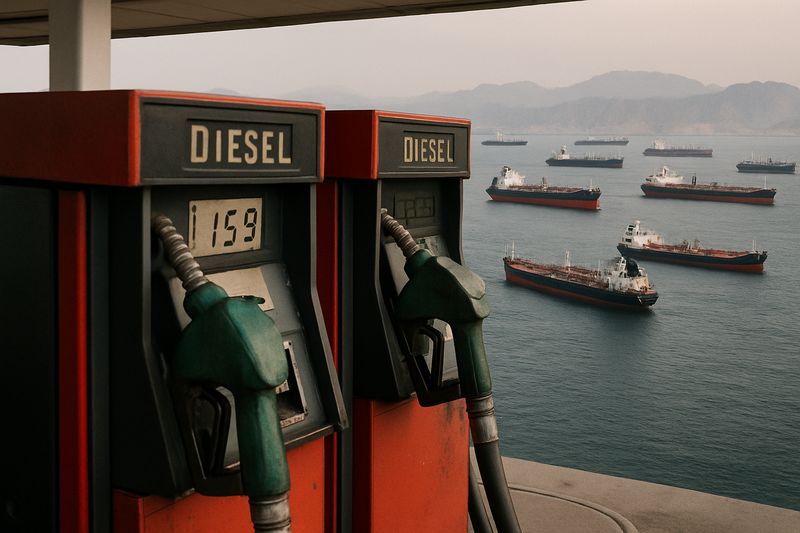
Let's set the scene: the Strait of Hormuz is effectively closed, oil is sitting at $82.40 per barrel, diesel is trading at a wholesale $1.80 per gallon (retail near $5.42), and the Trump administration is calling it an indefinite naval blockade. This is not a drill. This is the most expensive harvest season on record, and it's about to get messier.
The macro picture here is genuinely alarming. According to Bloomberg Podcasts analysis, global refining capacity is down 7 to 8 million barrels per day, partly due to drone strikes, and that shortfall isn't reversing before 2027 at the earliest. Airlines for America's CEO confirmed on CNBC that jet fuel costs are roughly double what they were a year ago, and carriers are eating most of that pain rather than passing it fully to consumers. The bull case for airlines just got a lot harder to write.
The wild card everyone is watching is China. Treasury Secretary Scott Bessent is reportedly planning secondary sanctions targeting Chinese refineries buying Iranian crude. That threat is credible enough to move markets, but executing it risks torching the upcoming US-China summit. As one Bloomberg analyst put it bluntly: the US is pivoting from military action to "unprecedented economic isolation" of Iran, and Beijing is the leverage point that makes or breaks it. Meanwhile, Gulf producers are quietly converting wartime workarounds into permanent infrastructure, treating a long-term Hormuz restriction as a base case, not a tail risk.
On the sentiment side, the consumer is cracking. Republican consumer sentiment dropped 9.5 points in a single month to 78.7, July retail sales fell by the most in over a year, and Trump is publicly urging Americans to accept higher gas prices ahead of November midterms. That's a political gamble with a very short runway. The 30-year Treasury yield is already at historic highs near 5.2%, and long-term rates climbing while consumer confidence collapses is not a combo that makes equity bulls sleep well.
The sector rotation here is telling. Energy is the obvious beneficiary, but the smart money per IBD's Mike Webster is anchoring in broad ETFs like SPY and QQQ rather than chasing sector plays, precisely because late entrants to trending sectors are the first to get shaken out on pullbacks. Morgan Stanley's Mike Wilson is beating the drum on gold as a defensive position, noting it has been in a structural bull market that most portfolios are underweight on. That's not a hot take. That's a fire alarm.
The bear case is simple: if secondary sanctions on China actually land, you get a demand shock on top of a supply shock, with a crumbling consumer in the middle. The bull case is that neither side blinks, a quiet deal gets done off-camera, and Hormuz reopens before diesel prices kill the fall harvest. History suggests the bull case requires a lot of optimism and a short memory about how these standoffs actually end.
Trump telling Americans to accept higher gas prices is either the boldest political bet of his second term or the fastest way to hand Democrats a midterm gift. Either way, the Strait of Hormuz just became the most important piece of infrastructure in the global economy, and nobody has a clean plan to reopen it.
BullApe's AI grades every pick against the S&P 500 - wins and misses published. See the track record →