Climate Risk Is a Market Risk: What Nepal's Glacier Collapse Means for Investors
A no-earthquake glacial collapse in the Himalayas is the kind of physical climate risk that re-prices entire sectors overnight
Ticker Ratings
| Ticker | Rating | Entry Price | Current | $ Gain | % Gain |
|---|---|---|---|---|---|
| SPY SPDR S&P 500 ETF TRUST | hold | $770.19 | - | - | - |
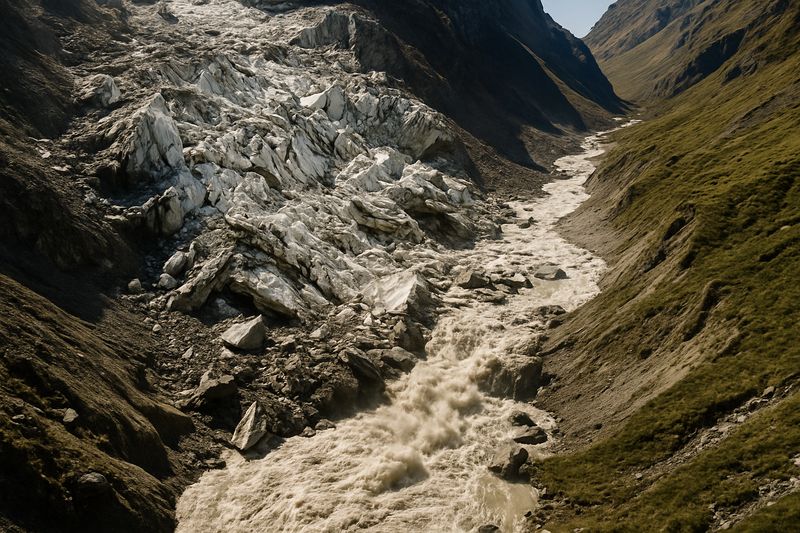
On August 26th, a glacial avalanche in Nepal's Lang Tang Valley obliterated villages and sent flash floods racing nearly 100 kilometers downstream in just 7 minutes. No earthquake triggered it. No warning system caught it. Scientists are still searching for a cause, and that uncertainty is exactly what should be keeping institutional investors up at night.
The Economist's coverage draws a direct line to climate change: warming temperatures thaw the permafrost that holds steep mountain glaciers in place, quietly destabilizing terrain that has been stable for centuries. Unlike the 1970 Peru collapse or the 2015 Nepal event, both tied to seismic activity, this one came out of nowhere. That's the nightmare scenario for physical climate risk models, which still lean heavily on historical triggers to price catastrophe exposure.
Why does a Himalayan glacier matter to your portfolio? Because physical climate risk is the part of ESG investing that most retail sentiment completely ignores. Social sentiment on YouTube and X is still laser-focused on rate cuts and AI earnings, but the institutional money quietly rotating into climate-resilient infrastructure and away from carbon-heavy and geographically exposed assets has been accelerating. Reinsurance companies, agricultural commodity players, and emerging market equities with heavy exposure to climate-vulnerable geographies are all quietly getting re-priced.
The sectors most directly in the crosshairs include utilities with hydropower assets in high-altitude regions, agricultural commodity ETFs tied to monsoon-dependent growing regions, and insurers with reinsurance books that haven't fully stress-tested non-seismic glacial collapse as a standalone risk category. The market hasn't built a clean pricing mechanism for "the glacier just fell over for no reason" yet. That's a gap.
The bull case for climate infrastructure plays like clean energy ETFs and water infrastructure stocks gets stronger every time an event like this lands in the headlines with no historical analog to explain it. The bear case is that legislative climate spending remains politically contested in the US and sentiment-driven capital flows can reverse fast when the news cycle moves on.
The Lang Tang avalanche won't move the S&P 500 tomorrow. But the slow, compounding pressure of events with no earthquake trigger and no warning is exactly the kind of tail risk that shows up in portfolios about five years after everyone agrees it was obvious.
BullApe's AI grades every pick against the S&P 500 - wins and misses published. See the track record →
Mentioned: $SPY