Anthropic IPO Pops 17% but Drags Dow Down 1,100 Points
Wall Street threw the biggest IPO party in history and somehow everyone left poorer
Ticker Ratings
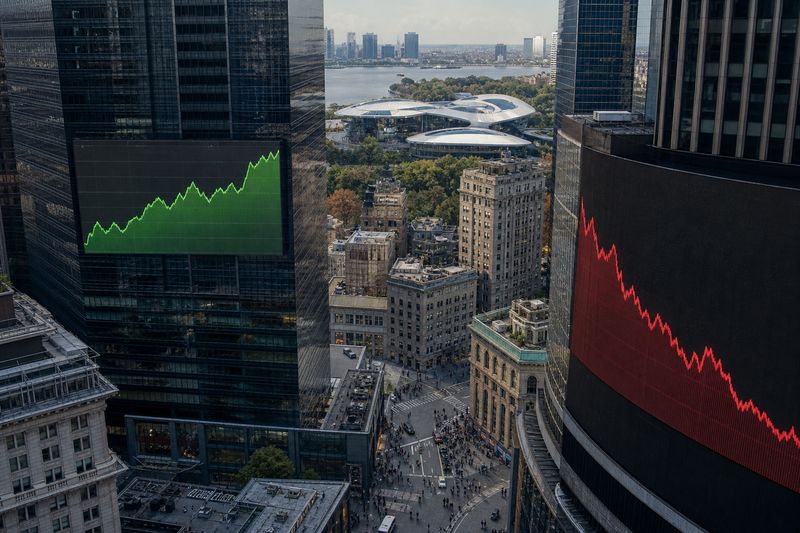
Wednesday was a tale of two markets. Anthropic (ANT) completed the largest IPO in history, pricing at $83 per share, opening at $111.50, and closing up 17% at $97.17, instantly landing the company among the top 10 most valuable publicly traded companies on earth. Meanwhile, the Dow shed 1,101 points, the S&P 500 fell 2% for its sixth consecutive down day, and the Nasdaq dropped 2.4%. The AI debut of the century showed up to the party, drank all the liquor, and billed the rest of the market for cleanup.
The rotation story is real. Bloomberg's coverage flagged fund managers selling existing positions to fund Anthropic allocations, and the numbers back it up. The VIX spiked toward 29-30 intraday before settling at 24.56, and AMD dropped roughly 8-9% after a Hunterbrook Capital short report alleged risky China exposure. Palo Alto Networks was one of the few bright spots, surging ~6.5% after strong earnings and a $4.5 billion all-stock acquisition of AI platform Applied Compute. That is what AI infrastructure optimism looks like when it is not distracted by a $2 trillion debut.
The Anthropic story itself is legitimately wild. The company went from zero revenue in Q1 2023 to an $81 billion annualized run rate, with forward consensus estimates projecting $115 billion in revenue for fiscal year 2027. Altimeter Capital is calling it a cornerstone multi-year compounder. Lightspeed, which made one of its largest bets ever on Anthropic starting at a Series D when the company was 20 times smaller than OpenAI, appears very happy right now. Dan Ives on CNBC called it a watershed moment and argued the AI revolution is less than 15% built out, framing the selloff as panic rather than fundamentals. The bull case is loud and well-funded.
The bear case is simple math and gravity. Anthropic trades at an astronomical multiple on even its most optimistic revenue projections, growth is expected to slow from 10x annually to roughly 2.5x, and compute costs, while improving, still ran at 55% of revenue after collapsing from 10x in 2023. Investors Business Daily's coverage specifically advised waiting several weeks before treating the IPO as a buying opportunity, citing SpaceX's pattern of a three-day surge followed by a sharp selloff before forming a base.
The macro backdrop makes timing even trickier. 10-year Treasury yields sit at 5.07%, geopolitical headlines are genuinely alarming (US strikes on Iranian territory, drone attacks in Bahrain, a dirty bomb rumor in Washington), and the S&P 500 has now dropped from 7592 to 7323 in just one week. Buying a $2 trillion AI company into a deteriorating tape with active Middle East conflict and a rumored 50 basis point rate hike in December is a move that requires either enormous conviction or a very high risk tolerance.
Anthropic may well be the Google of 2026. But Google's 2004 IPO did not coincide with drone strikes on US radar systems. Context, as always, is doing a lot of heavy lifting here.