Amazon Prime Big Deal Days: Is AMZN a Buy Before Q4 Earnings?
Retail traders are buzzing about Prime Big Deal Days, but a 5% 10-year yield and rising Fed pressure could steal the spotlight
Ticker Ratings
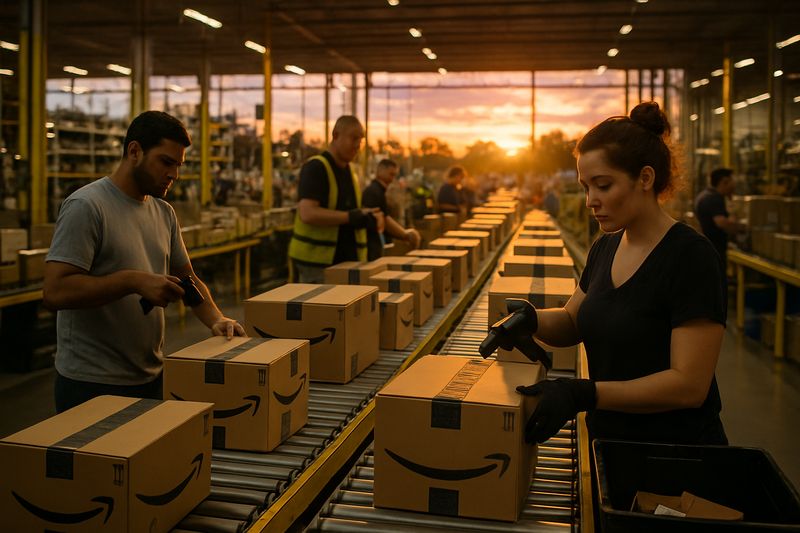
$AMZN is doing what it does every fall: reminding you that Q4 exists and that you will, in fact, spend money on things you don't need. Prime Big Deal Days return October 6-7, kicking off the holiday shopping season with AI-powered Alexa alerts designed to personalize your way into a larger cart. Cute. Also strategically brilliant.
The fundamental case for Amazon heading into earnings is legitimately strong. Seeking Alpha's quant model has it rated a strong buy, and that 50.77% gross margin is not a typo. That number reflects just how much AWS and advertising have shifted the company's profit profile away from thin-margin cardboard boxes and toward high-margin cloud and ad revenue. If the holiday season delivers, the operating leverage story gets even better.
But here is where it gets complicated. The 10-year Treasury yield just hit 5.04%, its highest level in nearly two decades, per CNBC's market close recap from September 15. Wells Fargo simultaneously cut its S&P 500 year-end target while downgrading the technology sector to equal weight over valuation concerns and semiconductor weakness. That is not a warm hug for a stock trading at a premium multiple. Higher yields compress the present value of future earnings, and Amazon has a lot of future earnings priced in.
On YouTube, Seeking Alpha's breakdown of Amazon's Prime Big Deal Days framed the October event as a meaningful demand catalyst heading into the company's next earnings report. The bull thesis essentially writes itself: AI-personalized shopping, a loyal Prime subscriber base, and AWS humming along while every enterprise scrambles to build AI infrastructure. Broadcom's AI revenue nearly doubling its overall growth rate (per a separate Seeking Alpha video) is a reminder that the cloud picks-and-shovels trade is very real, and Amazon is holding a lot of shovels.
The bear case is mostly macro. With the VIX sitting at 17.1, the Fed expected to hike another 25 basis points, and Hormuz shipping traffic in the single digits, consumer confidence heading into October is not exactly strutting. Diesel at $6.23 a gallon eats into logistics margins. And if Wells Fargo is right that equities are sitting at a 12% premium above historical fair value, any earnings miss hits harder than usual.
Amazon reports into one of the nastiest macro backdrops in years, and yet its own business fundamentals look like a completely different story. That gap between the company and the market is exactly the kind of setup that makes earnings season so much fun, or so painful, depending on which side of the trade you are sitting on.